Christmas and Digestion

Home / Christmas / Christmas and Digestion


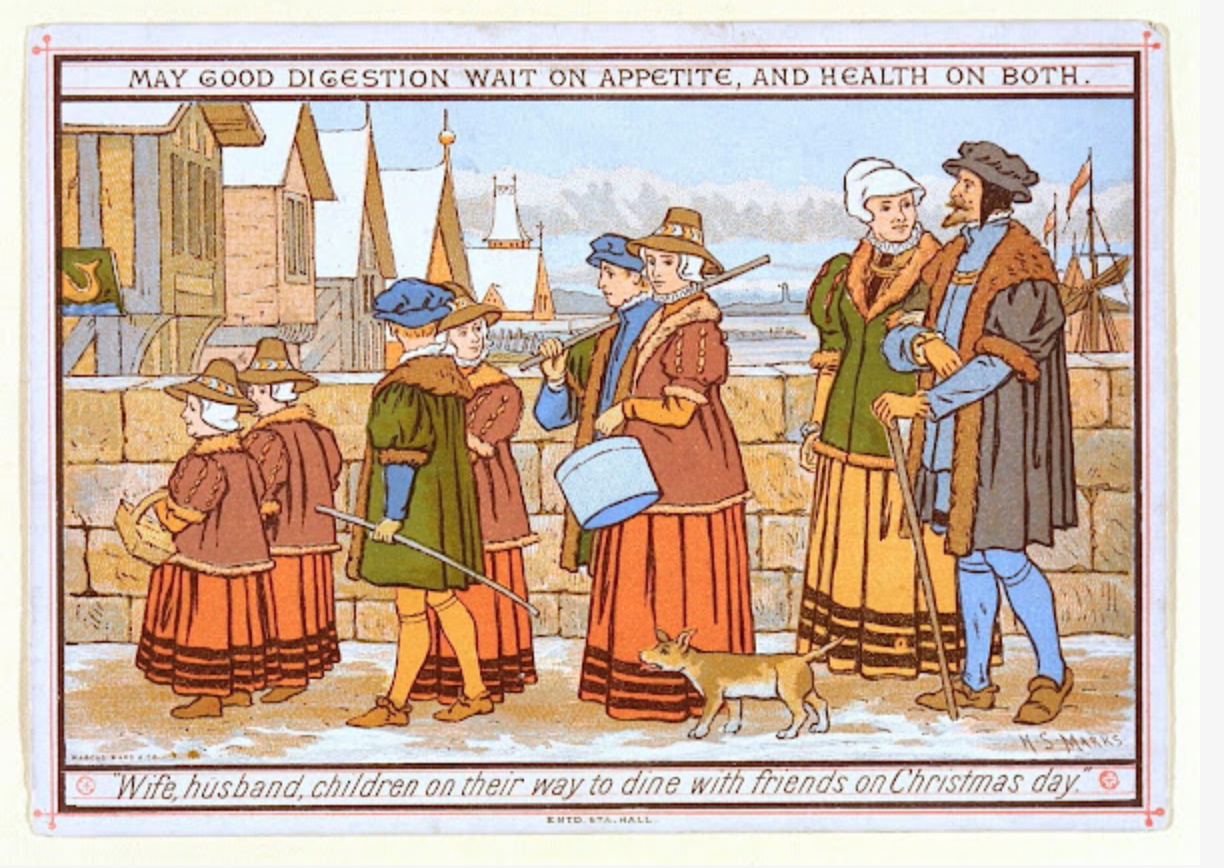
Good husband and huswife now chiefly be glad,

things handsome to have, as they ought to be had.

They both do provide, against Christmas do coom,

to welcome their neighbor, good chere to have soom.

Good bread and good drinke, a good fier in the hall,

brawne, pudding and souse, and good mustard withall.

Biefe, mutton, and porke, shred pies of the best,

pig, veale, goose and capon, and Turkey well drest:

Chese, apples and nuttes, jolly Caroles to here,

as then, in the countrey is counted good chere.

 – Thomas Tusser, “Five Hundredth Pointes of Good Husbandry”, 1572

Old Christmas Returned

Home / Christmas / Old Christmas Returned

A seventeenth-century English ballad links the holiday to charity and urges the upper class to be generous at Yuletide. Such ballads would been printed up (thus the term” broadside ballad”), put to a popular melody, and hawked in the streets by minstrels singing it out. 

The title is “Old Christmas returned, or Hospitality revived; being a Looking-glass for Rich Misers, wherein they may see (if they be not blind) how much they are to blame for their penurious house-keeping, and likewise an encouragement to those noble-minded gentry, who lay out a- great part of their estates in hospitality, relieving such persons as have need thereof.”

Who feasts the poor, a true reward shall find,

Or helps the old, the feeble, lame, and blind


All you that to feasting and mirth are inclined

Come here is good news for to pleasure your mind,

Old Christmas is come for to keep open house,

He scorns to be guilty of starving a mouse:

Then come, boys, and welcome for diet the chief,

Plum-pudding, goose, capon, minced pies, and roast beef.


The holly and ivy about the walls wind

And show that we ought to our neighbors be kind,

Inviting each other for pastime and sport,

And where we best fare, there we most do resort;

We fail not of victuals, and that of the chief,

Plum-pudding, goose, capon, minced pies, and roast beef.


All travellers, as they do pass on their way,

At gentlemen’s halls are invited to stay,

Themselves to refresh, and their horses to rest,

Since that he must be Old Christmas’s guest;

Nay, the poor shall not want, but have for relief,

Plum-pudding, goose, capon, minced pies, and roast beef.


A Christmas Eve Superstition

Home / Christmas / A Christmas Eve Superstition

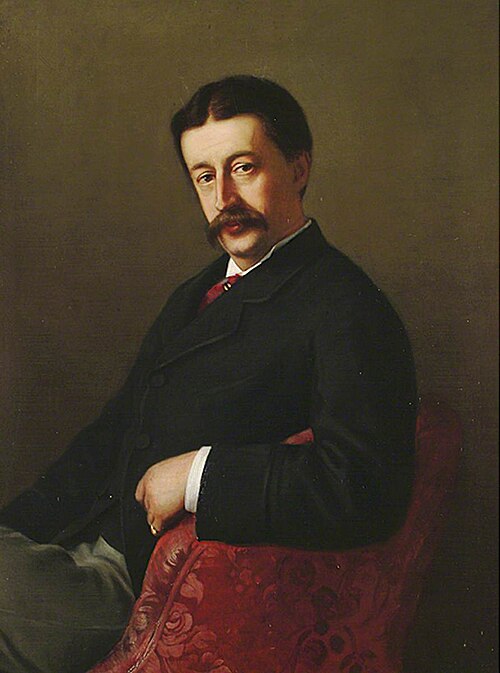
Augustus Hare (1834-1903) was an English writer and painter of the Victorian era.

In his autobiography The Story of My Life (aka Peculiar People) Hare recounts a troubling incident on Christmas Eve 1866:

When the Mother and Lea were both ill last week, our Italian servants Clementina and (her daughter) Louisa groaned incessantly; and when Clementina was taken ill on the following night, Louisa gave up all hope at once, and sent for her other children to take leave of her. This depression of spirits has gone on ever since Christmas, and it turns out now that they think a terrible omen has come to the house. No omen is worse than an upset of oil, but, if this occurs on Christmas Eve, it is absolutely fatal, and on Christmas Eve my mother upset her little table with the great moderator lamp upon it. The oil was spilt all over her gown and the lamp broken to pieces on the floor, with great cries of ‘O santissimo diavolo’ from the servants. ‘Only one thing can save us now,’ says Louisa; ‘if Providence would mercifully permit that someone should break a bottle of wine here by accident, that would bring back luck to the house, but nothing else can.’