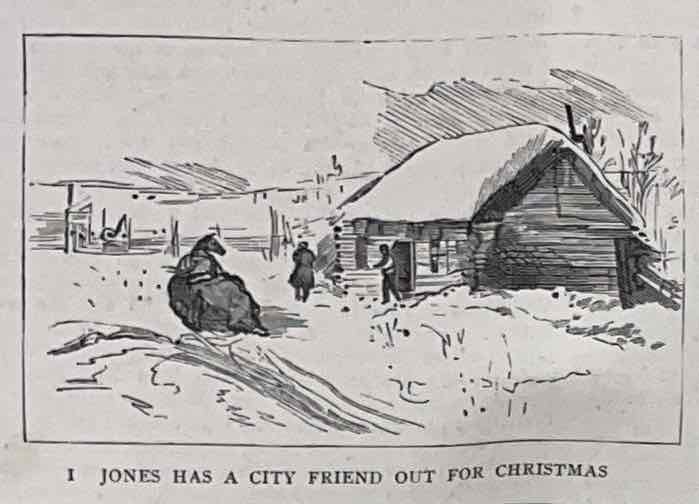
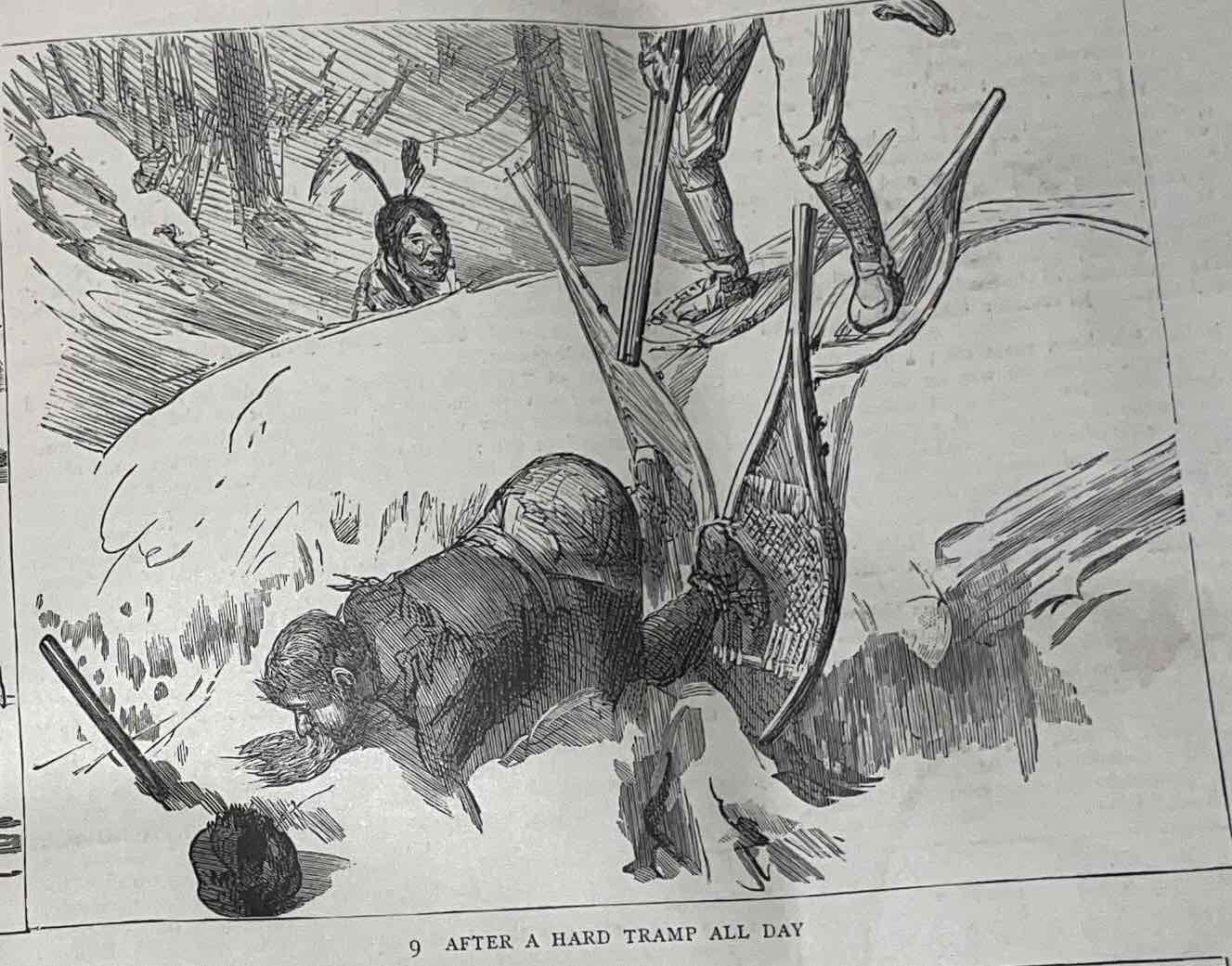
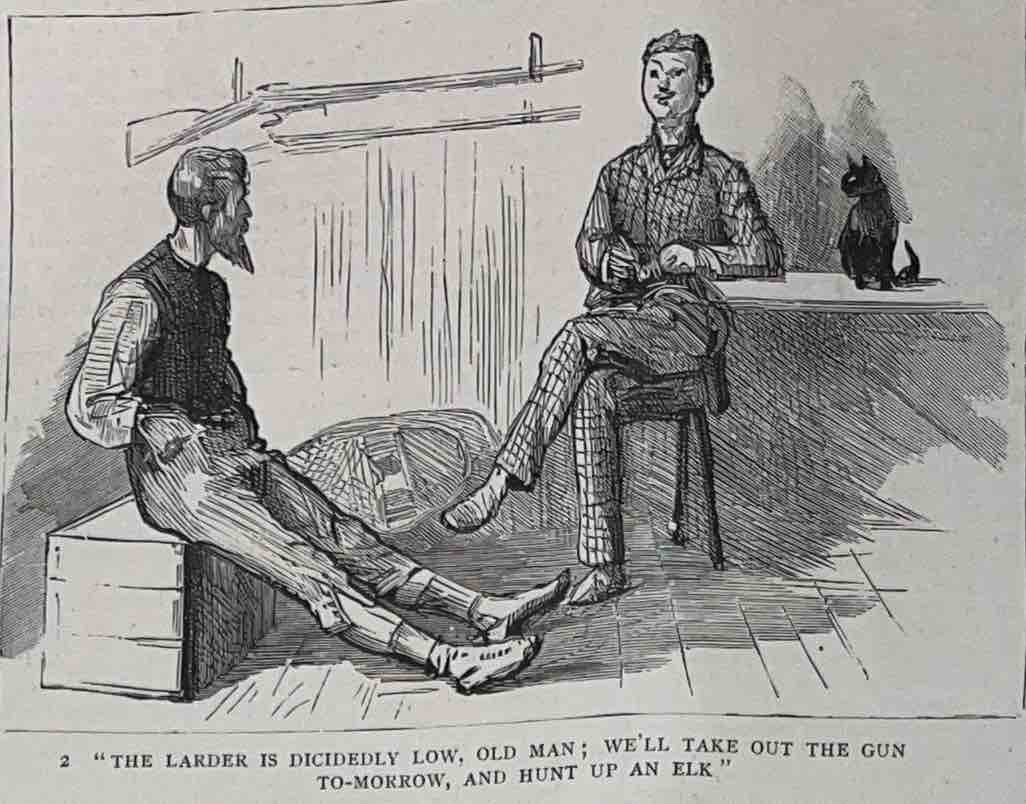
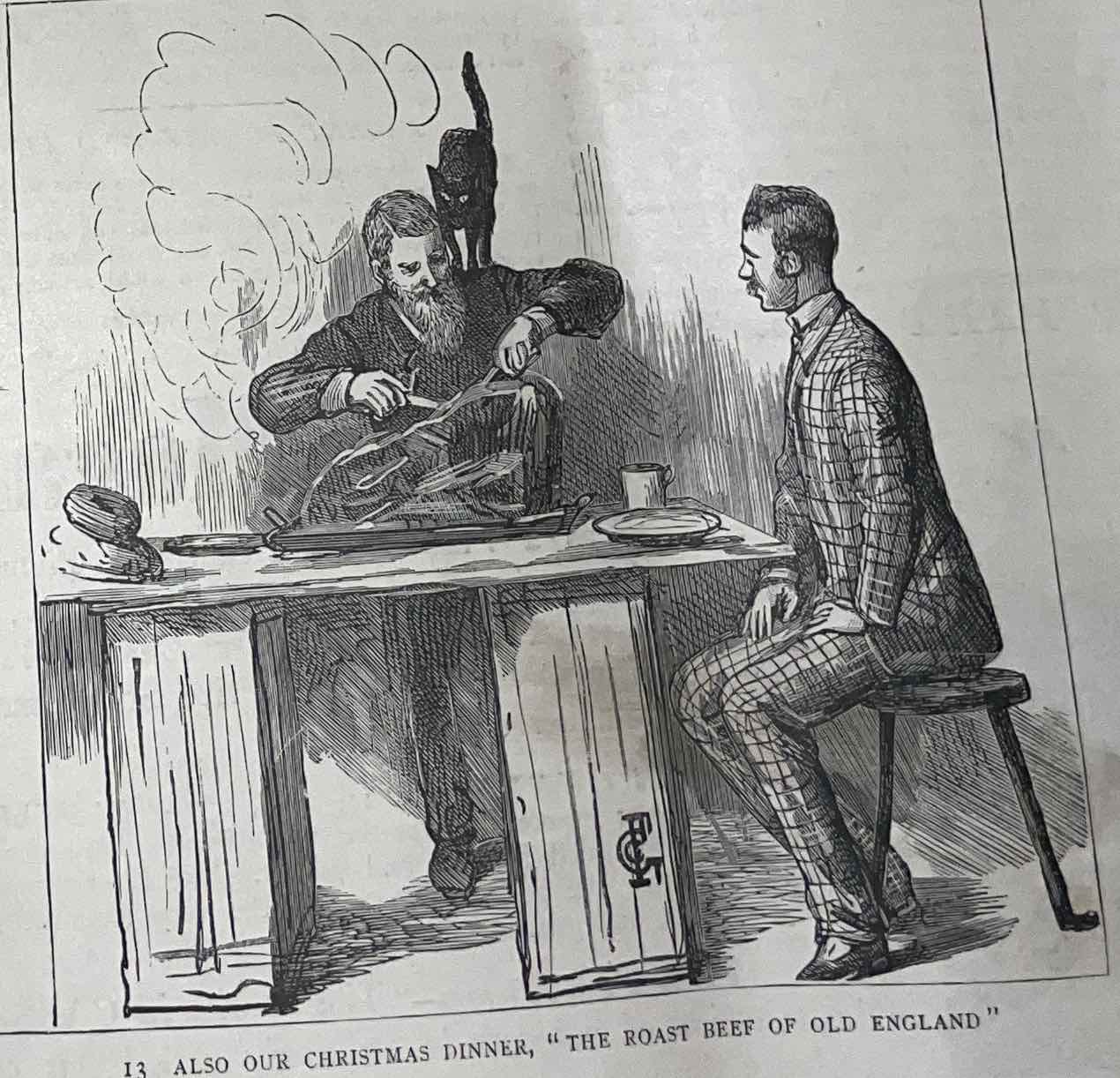
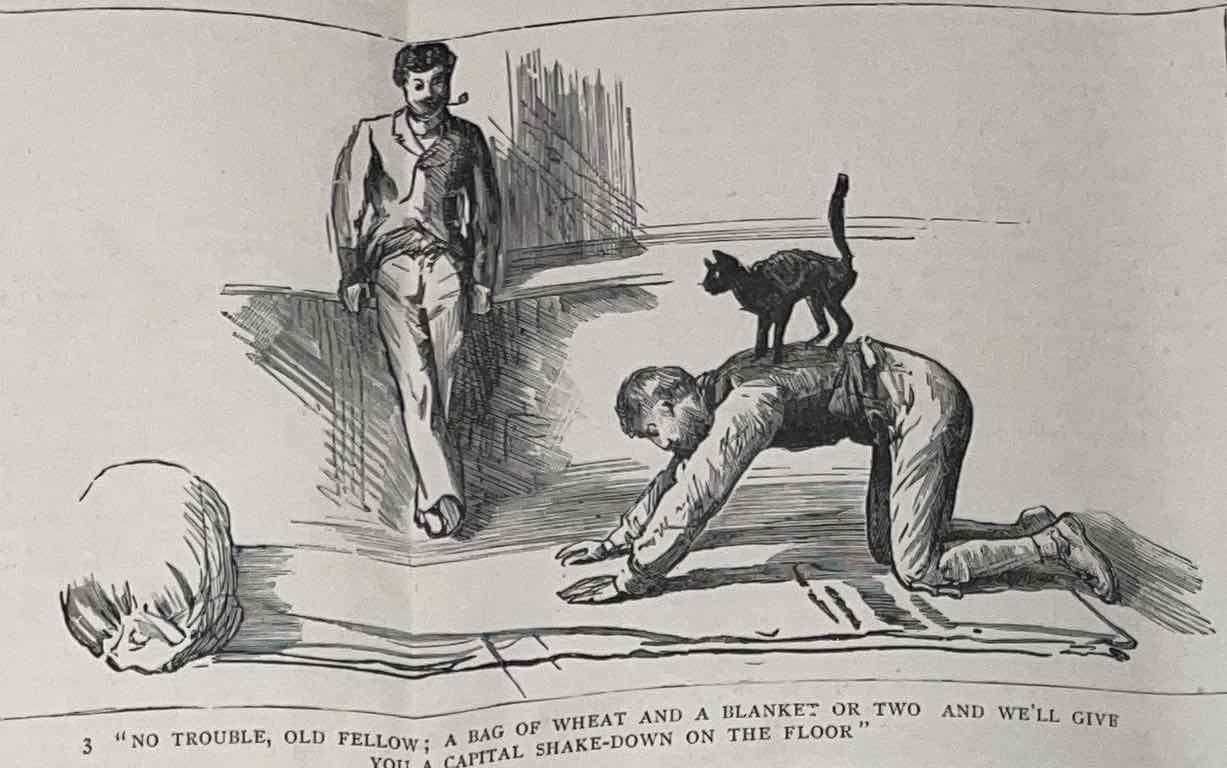
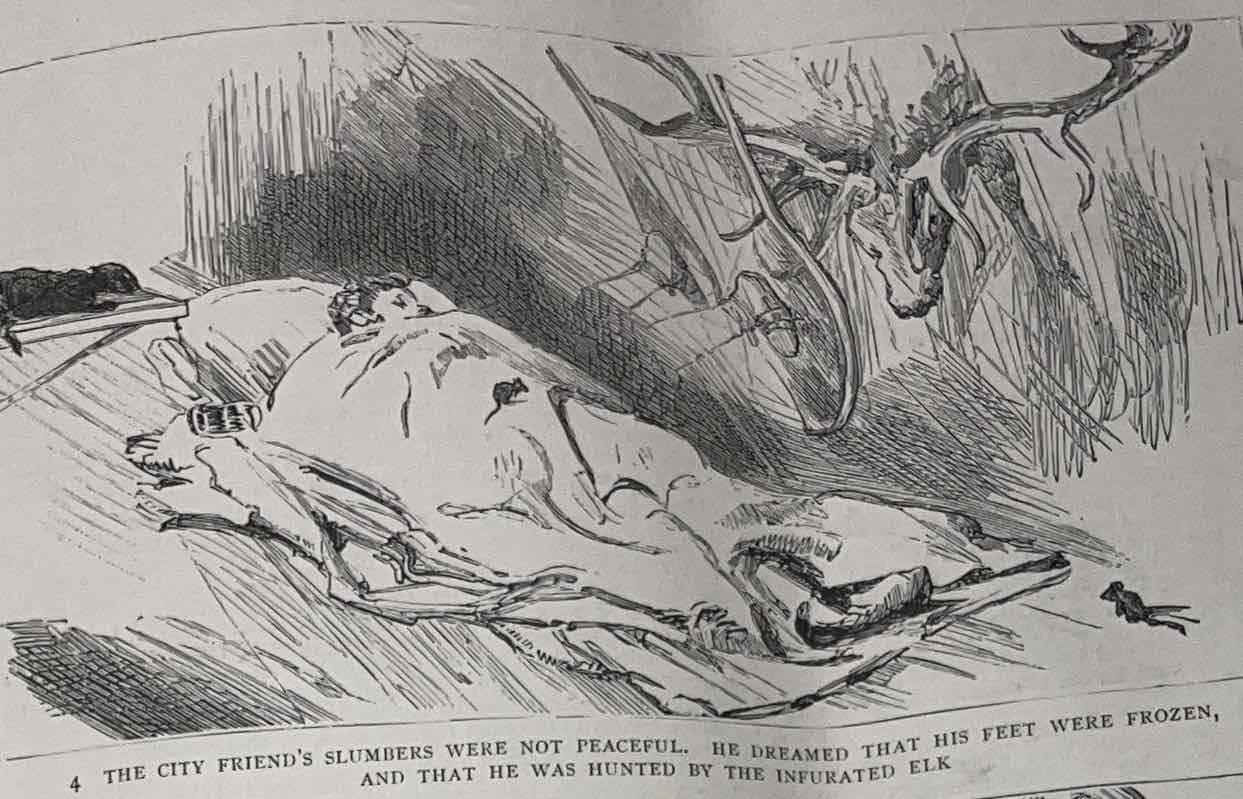
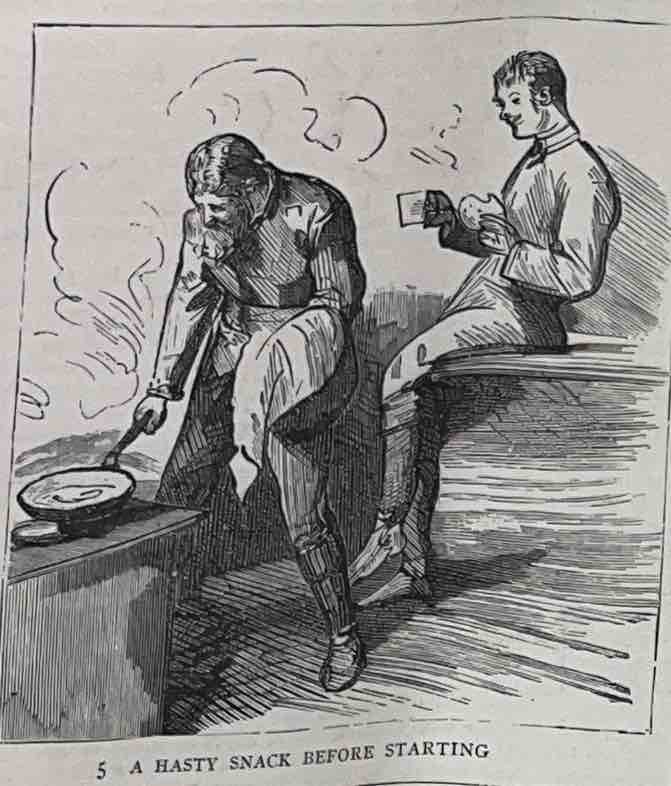
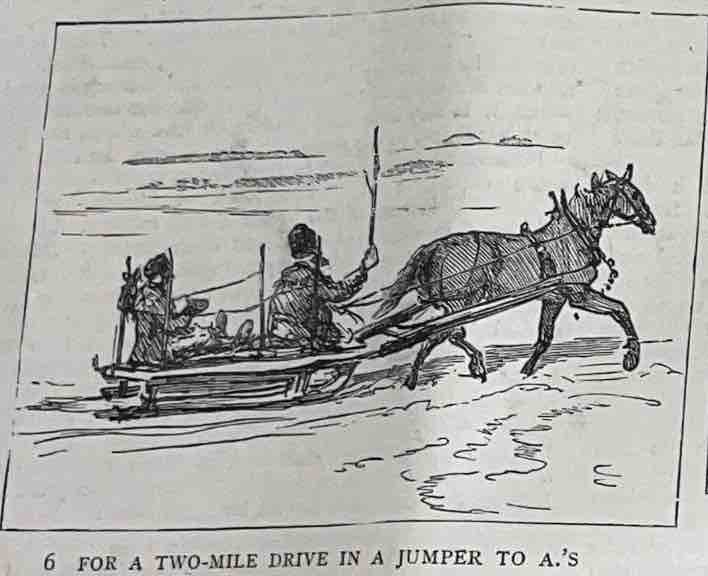
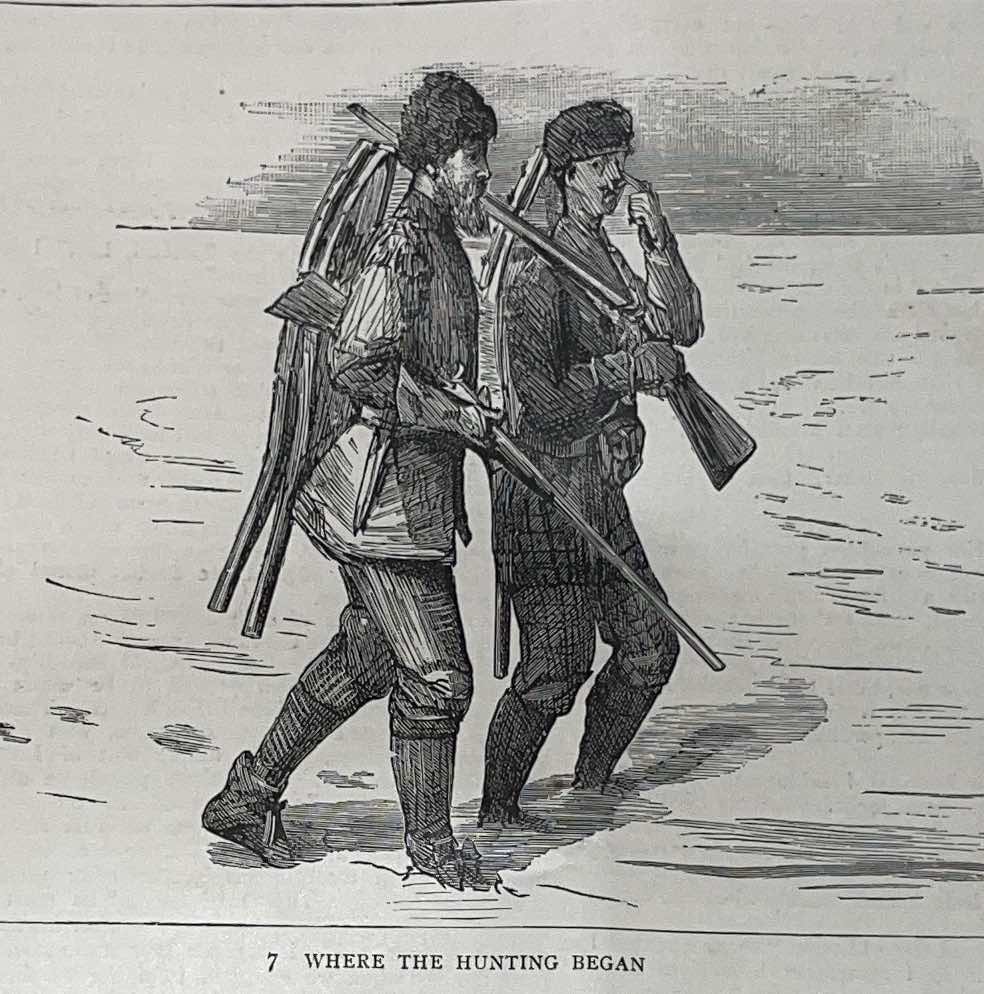
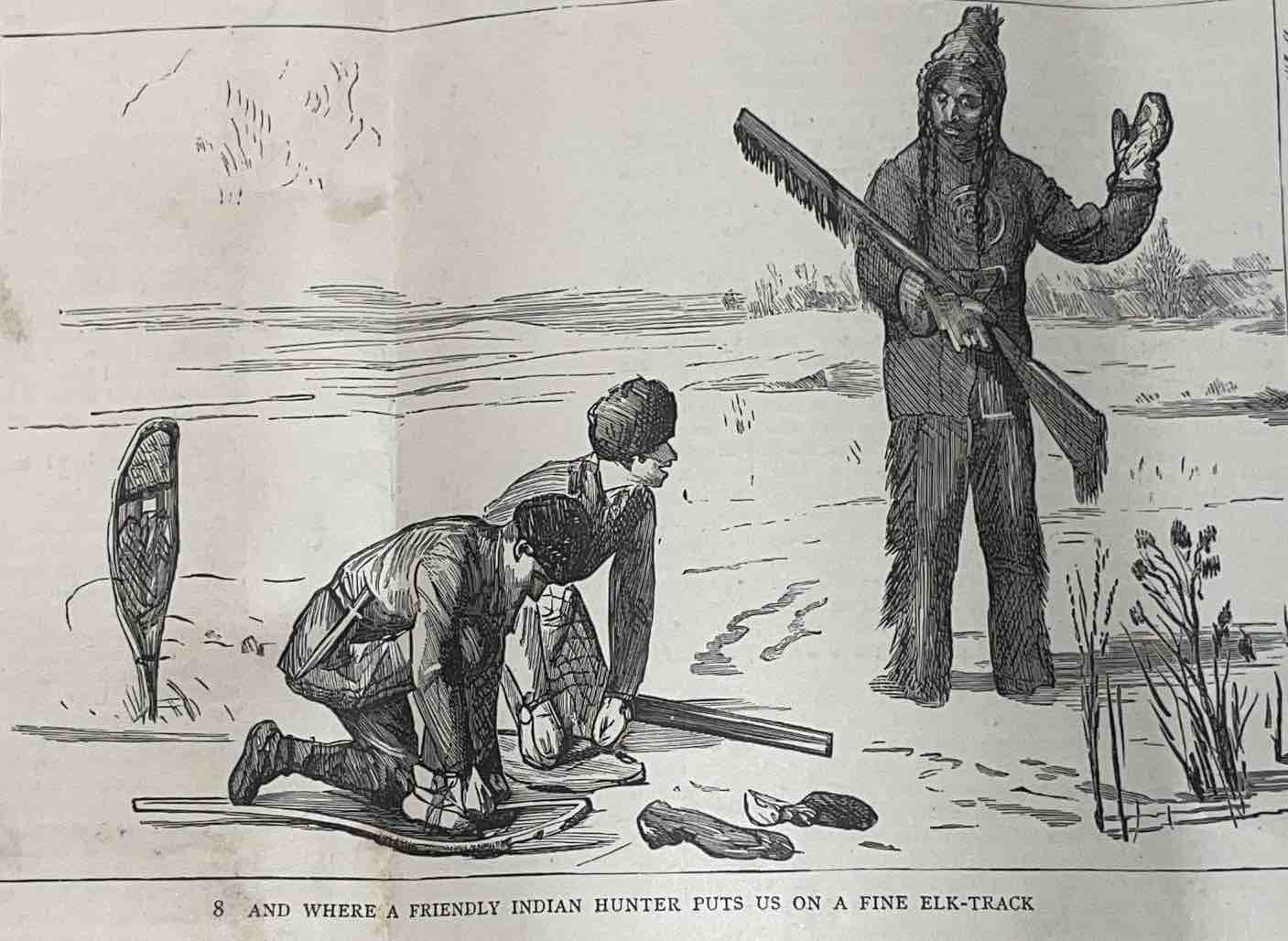
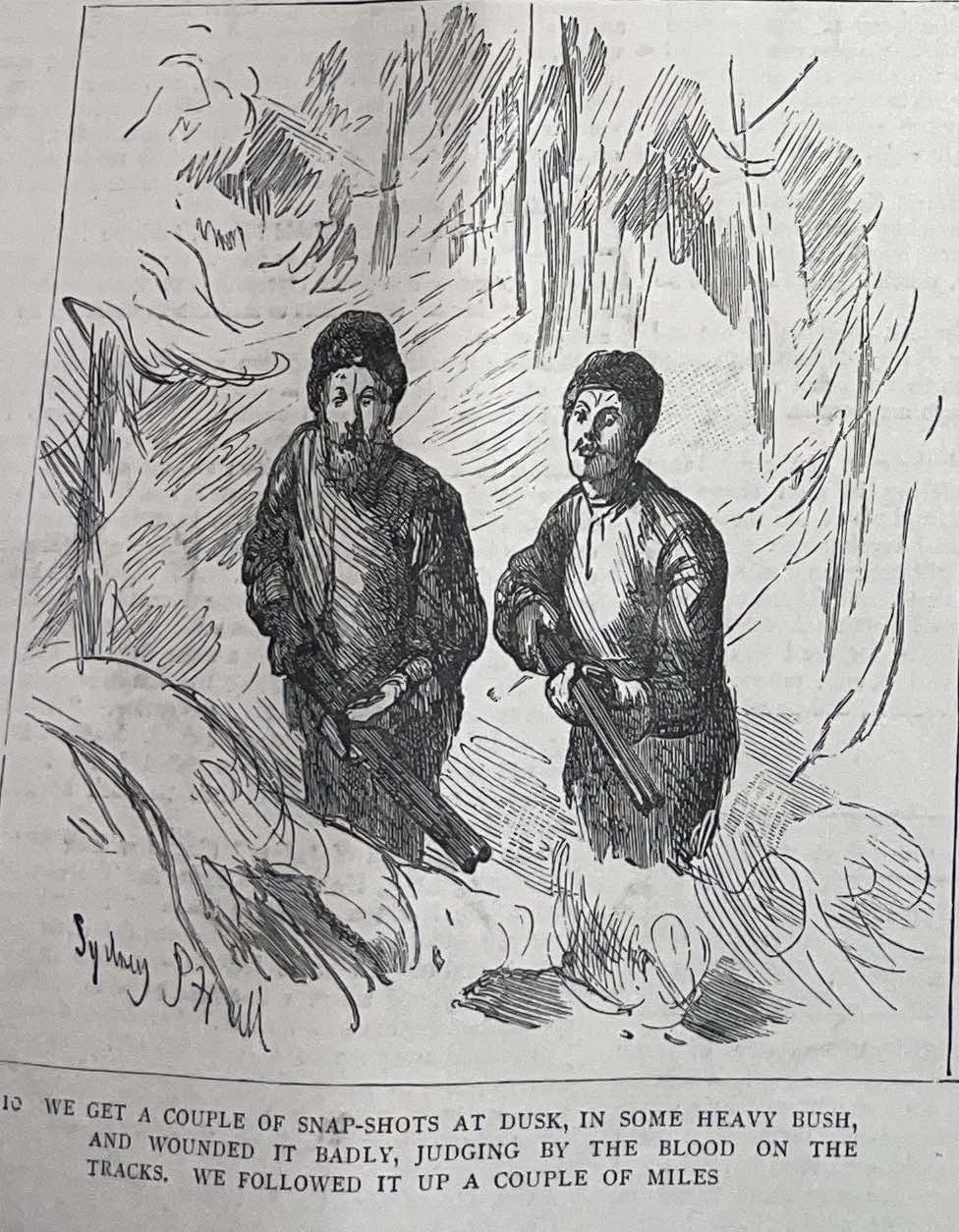
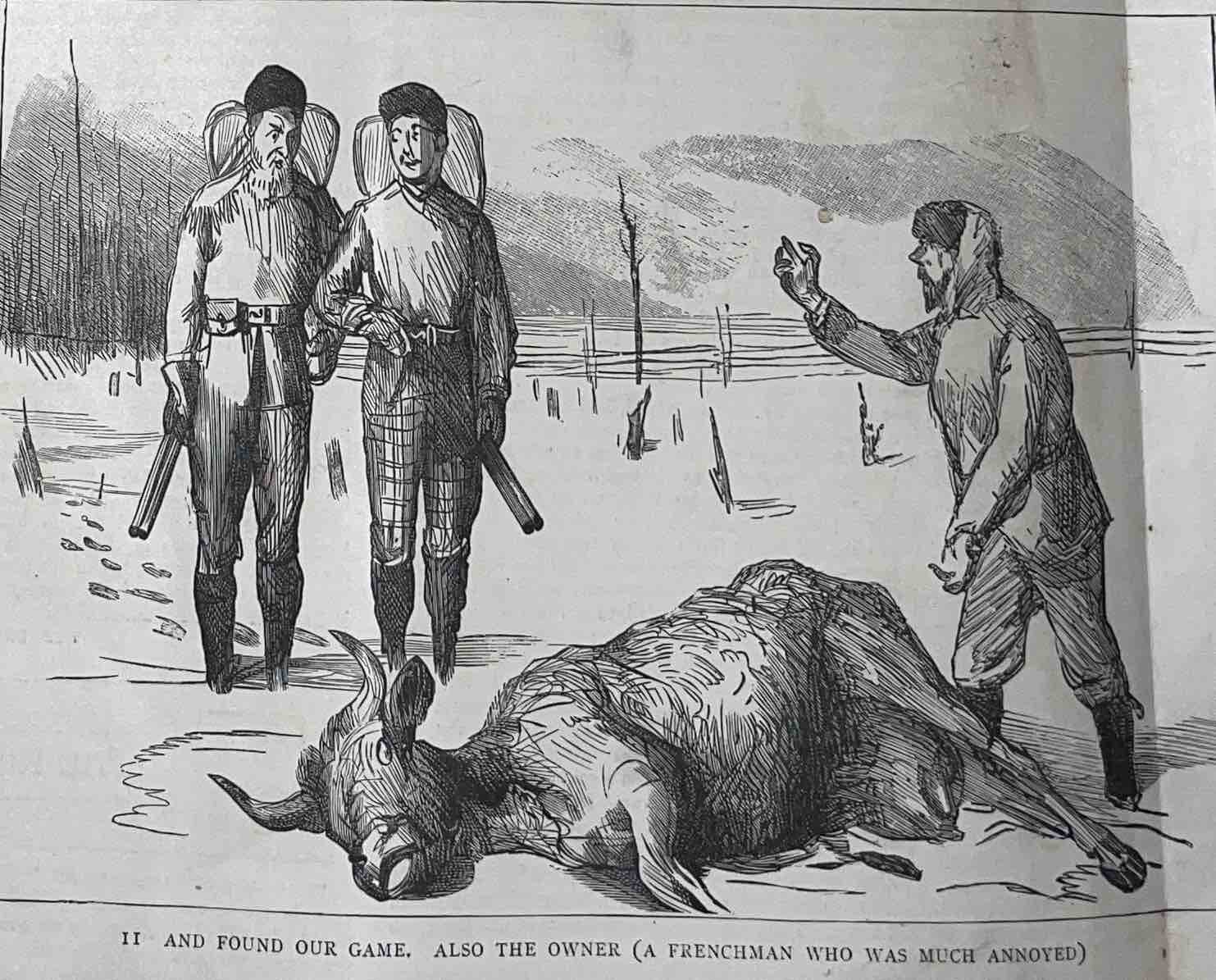
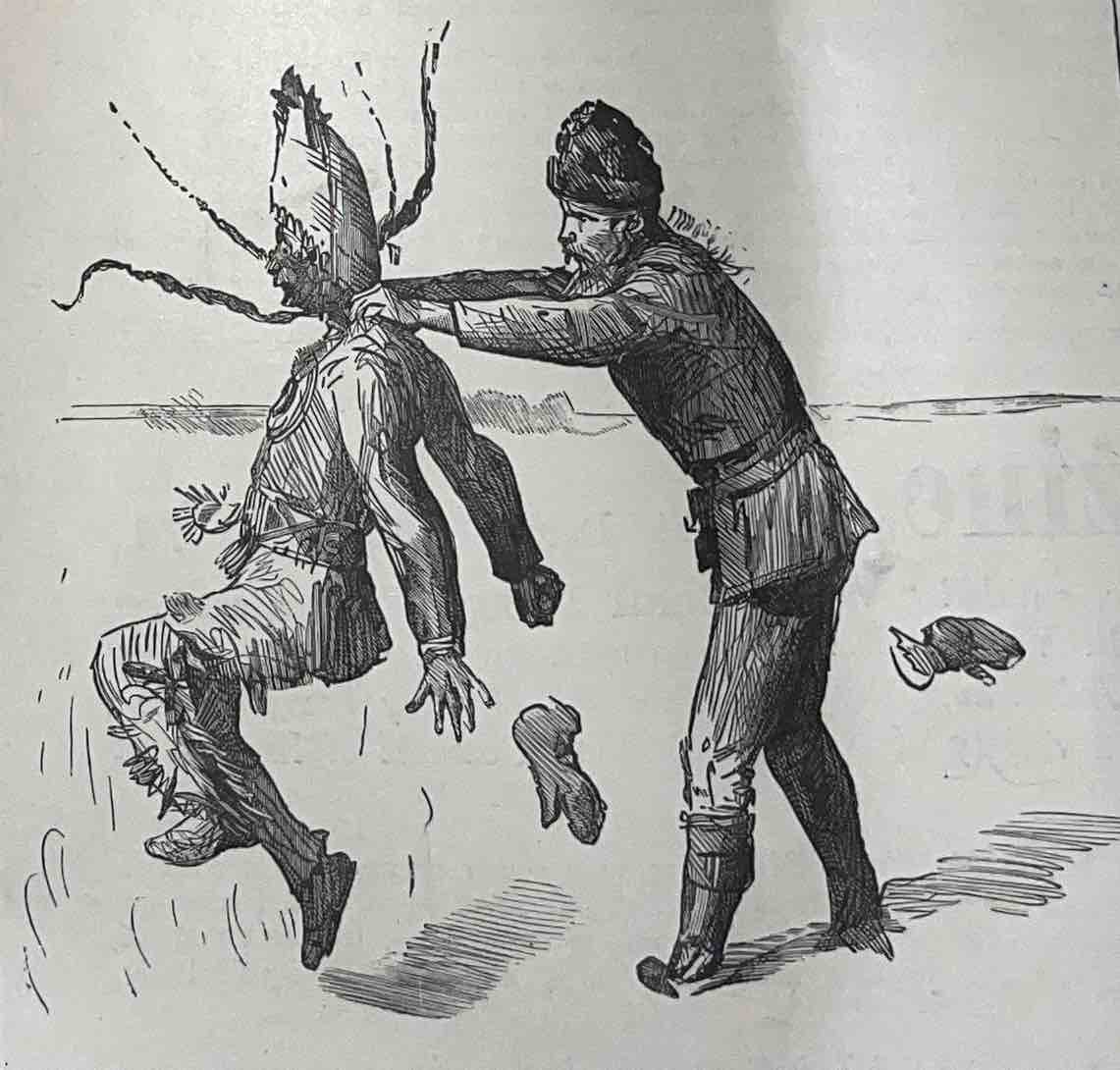
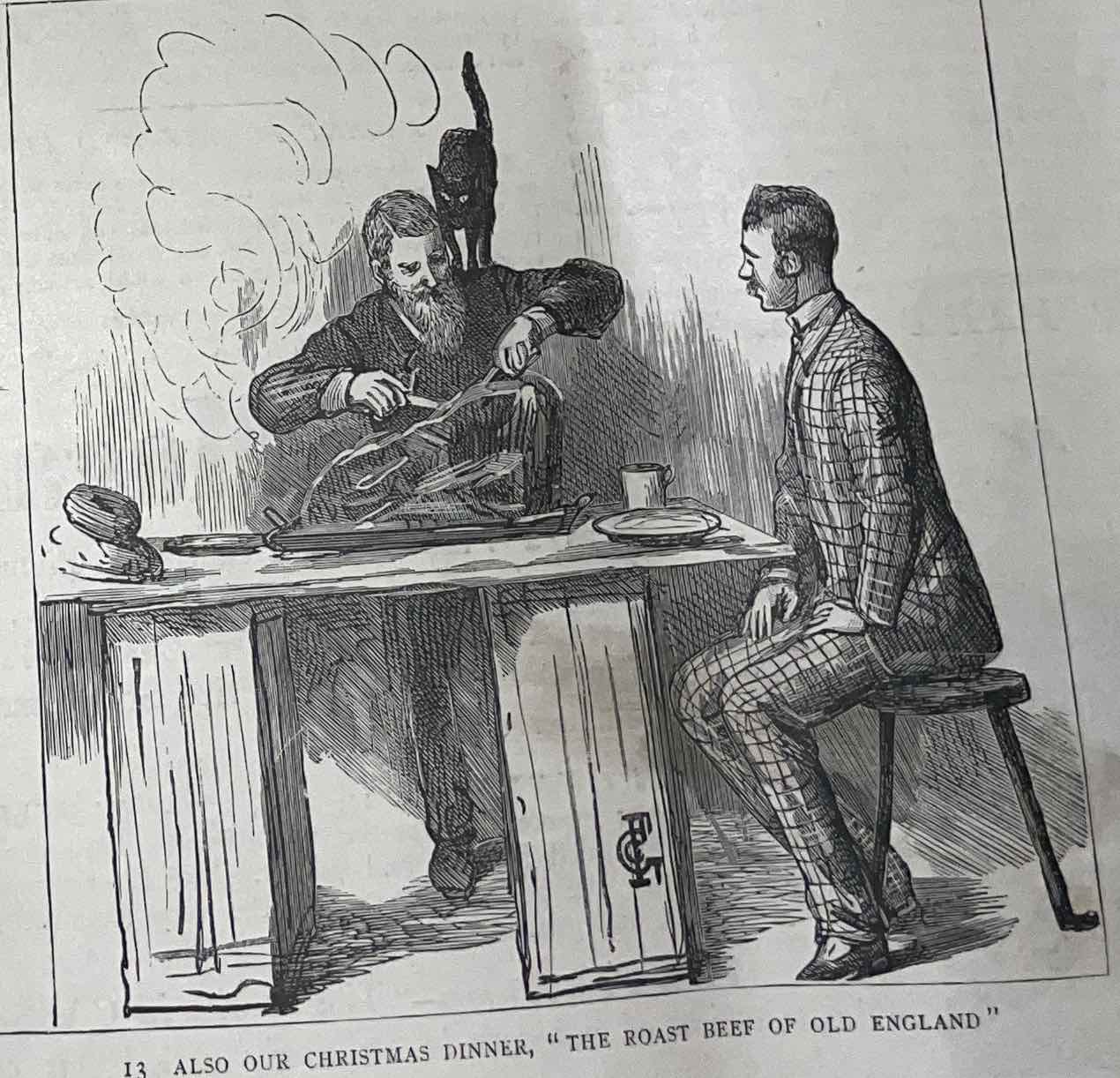
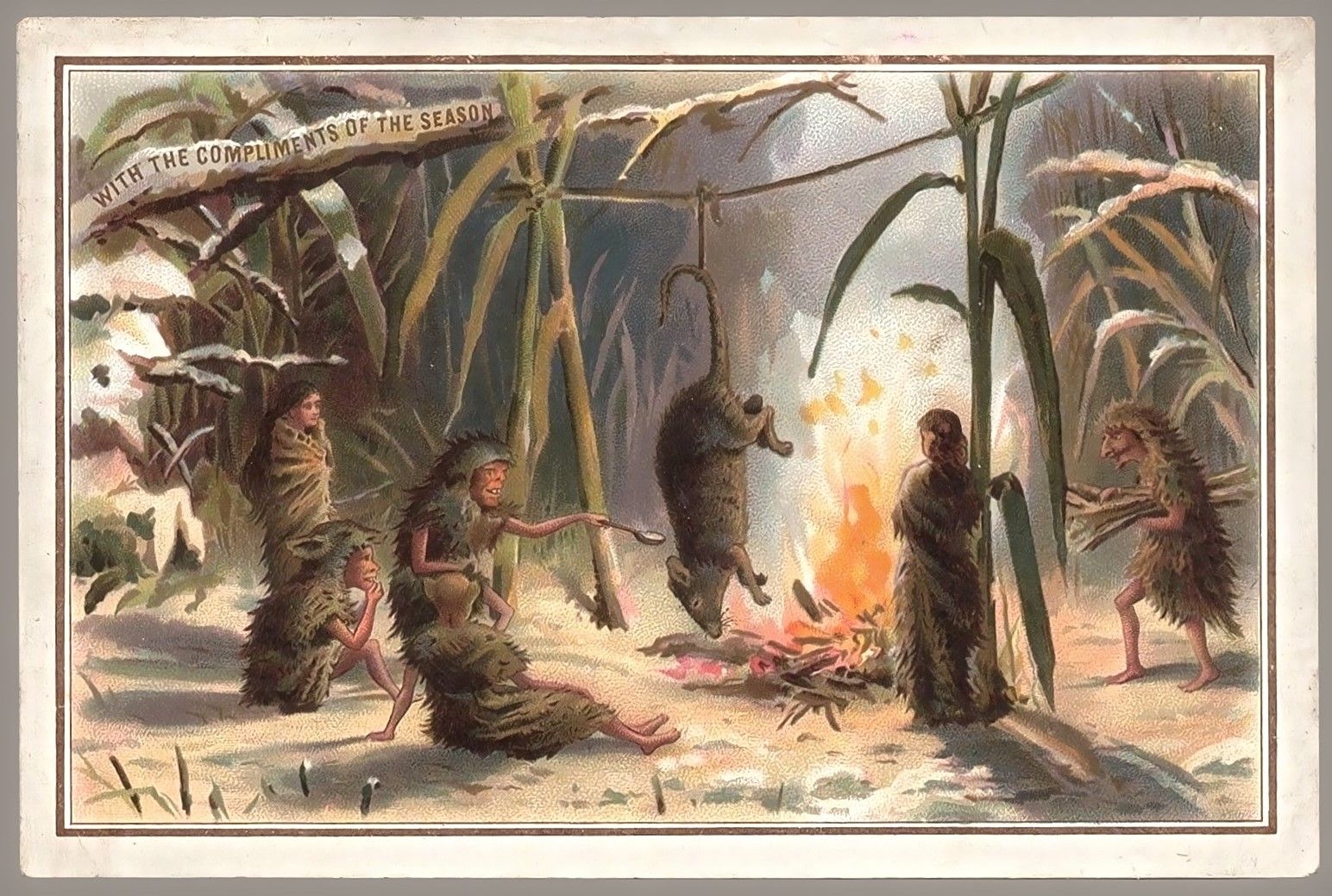
In January 1887, The Graphic, an illustrated London magazine published a two-page spread entitled “A Hunt for Christmas Dinner in Manitoba.” Only two years after the completion of the trans-continental railway and the crushing of the Northwest Rebellion, Manitoba was Canada’s newest province, still largely unsettled.
Every year on Christmas Day in a number of southern Peruvian cities, towns, and villages, drunk inhabitants gather to dance and engage in a series of single combats, man-to-man, woman-to-woman. It is a ritual designed to settle any disputes that may have arisen during the year.
The practice is called takanakuy.It begins with preliminary alcohol consumption in the days leading up to Christmas. On the day itself costumed participants gather to eat breakfast together at a local church and then process to the town square accompanied by the singing of a stylized music known as waylilla.
Once in the square challengers call out their foe by name and commence the brawl. Biting and hair-pulling are forbidden and order is kept by whip-carrying referees. At the end of the battles, fighters embrace or, if the loser appeals the decision, square off for another encounter. The hope is that by the time the fights are finished, grievances have been settled and social harmony has been restored.
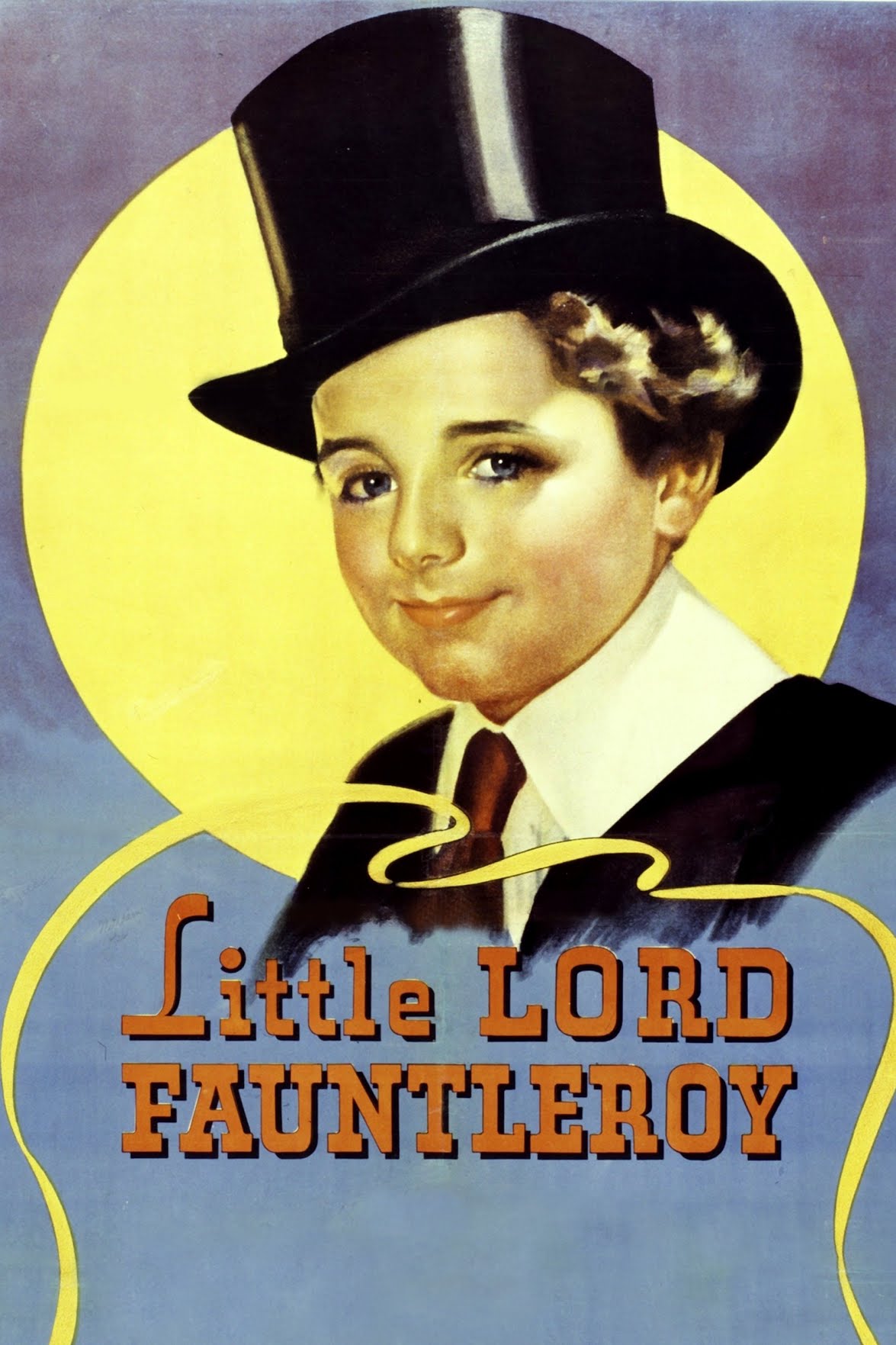
Little Lord Fauntleroy, Frances Hodgson Burnett’s 1886 novel of a young American lad who discovers he is the heir to a British aristocratic fortune, has been turned into a movie or television program at least 25 times. Americans, Japanese, Brazilians, Italians, Hungarians, Germans, Norwegians, and Russian directors have all taken a shot at the story.
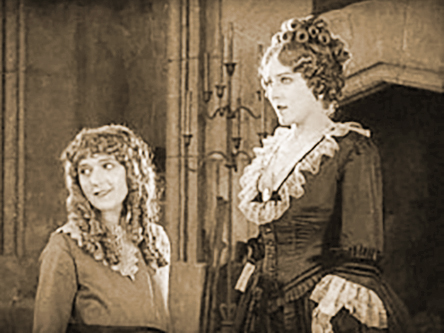
The first Hollywood attempt, produced in 1921, starred “America’s Sweetheart” Mary Pickford (born in Canada) as both the little lord and his mother.
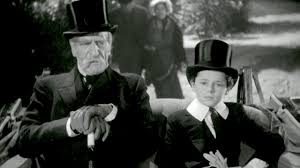
The most famous version appeared in 1936 with Freddie Bartholomew as the hero and the redoubtable C. Aubrey Smith as his grandfather. Bartholomew’s portrayal is all gooey sweetness and syrupy light; I wish he had gone to my school so the bullies could have thrashed him instead of me.
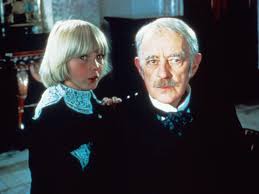
Another popular rendition was the 1980 TV movie with Ricky Schroder and Alec Guinness in the principal roles.
This brings us to the Christmas connection with the story. In a previous post we have spoken about movies that have nothing to do with Christmas yet have become holiday favourites on television over the holiday season. This is the case with the 1980 version and German viewers. For over 30 years, Der Kleine Lord (“The Little Lord”) has been a regular feature on German TV, attracting millions of viewers every year.
For centuries Hungary has been a cultural cross-road; situated between eastern and western Europe and the Balkans, rich in ethnic identity and a land where Protestantism and Catholicism can each claim many followers, Hungary shows its mixed heritage in the celebration of Christmas.
On December 6, St Nicholas Day, the saint (Mikolás to Hungarians) in his traditional bishop’s attire arrives to deliver small presents and candy to good girls and boys and switches to the bad ones. Children leave their neatly-polished shoes out for Nicholas to fill. On his travels to shopping areas and schools and in parades he is often accompanied by an angel and a devilish companion named Krampusz.
But the saint’s appearance is only a prelude to the Christmas celebrations which accelerate on December 24. Adults hurry home from work, children are sent off to play and the tree is decorated in their absence. After a visit from the gift-bringer (which on Christmas Eve is the baby Jesus or his angels) a bell is rung and children may view the tree and open their presents. Following supper the family might sing carols or attend midnight mass. The following two days are national holidays. Christmas itself tends to be reserved for immediate family and the large afternoon dinner, often of turkey; visiting friends and family takes place on December 26.
Seasonal delights include the szalon cukor, brightly wrapped chocolate candies with a marzipan or jelly centre, and baigli, traditional walnut and poppy-seed cakes.
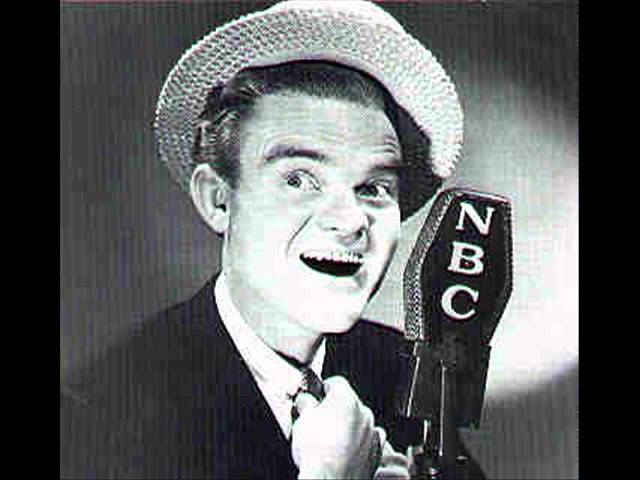
This popular novelty tune written by Donald Yetter Gardner in 1946. Gardner was a music teacher who noticed that most of his young pupils were missing their baby teeth. With that observation as inspiration, Gardner went home and wrote the words and music in about half an hour. As a recording, it was a success in 1948 for Spike Jones (pictured above) and the City Slickers. The words were sung in a child’s voice by George Rock, one of the Slickers. Danny Kaye, the Andrews Sisters and Nat King Cole all recorded it and it was a Top Ten hit again in 1955 when it was sung by seven-year-old Barry Gordon.
Everybody stops and stares at me. These two teeth are gone as you can see. I don’t know just who to blame for this catastrophe, But my one wish on Christmas Eve is as plain as can be
All I want for Christmas is my two front teeth, My two front teeth, see my two front teeth. Gee, if I could only have my two front teeth, Then I could wish you “Merry Christmas.”
It seems so long since I could say, “Sister Susie sitting on a thistle.” Gosh, oh gee, how happy I’d be If I could only whistle.
All I want for Christmas is my two front teeth, My two front teeth, see my two front teeth Gee, if I could only have my two front teeth, Then I could wish you “Merry Christmas.”
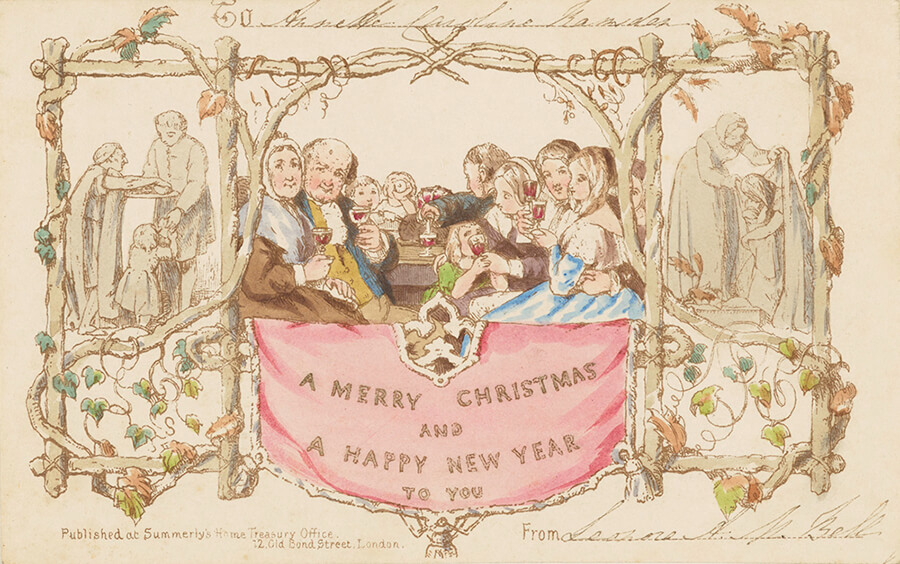
The credit for the earliest published Christmas card has usually gone to Sir Henry Cole who in 1843 commissioned John Callcott Horsley to produce this image, a hand-coloured lithograph of a family party with the message, “A Merry Christmas and a Happy New Year to You.” 1,000 of these were manufactured and sent out, causing a minor scandal because the family on the card appeared to be drinking.
Recently, however, Timothy Larsen (editor of the splendid Oxford Handbook of Christmas) has found a notice in the December 7, 1829 issue of the Hampshire Chronicle: “We learn that the ‘Olde Winchester’ Christmas and New Year’s Greetings, designed by Mr. A. Clements, of Northgate Studio, are receiving a most cordial welcome from Christmas card buyers, sales already nearing the 2000 mark. Large numbers have been sent abroad to friends interested in Winchester”.
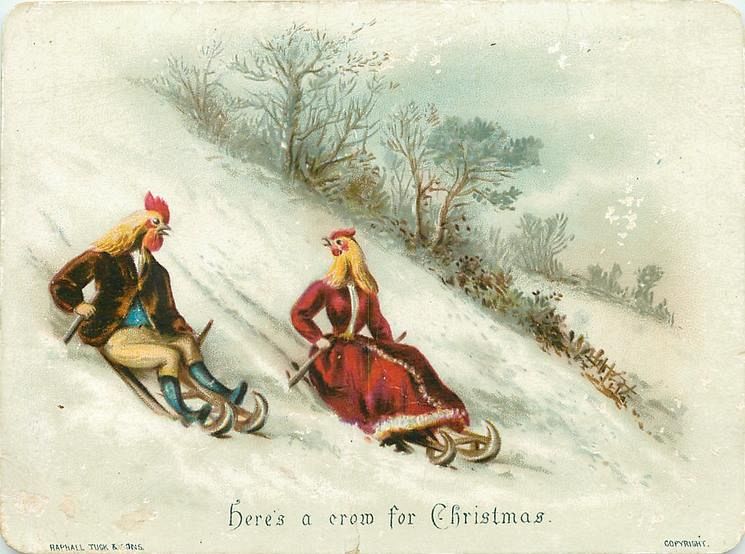
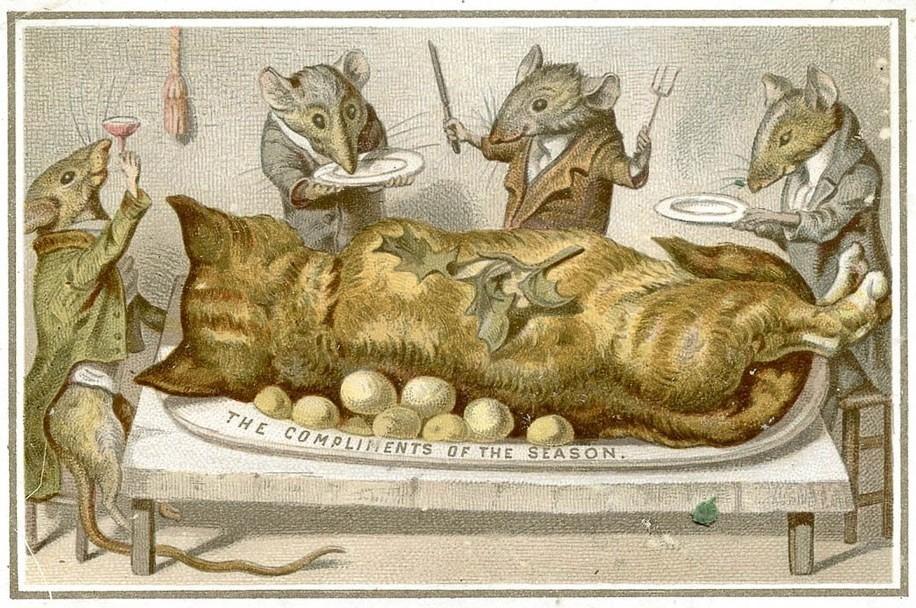
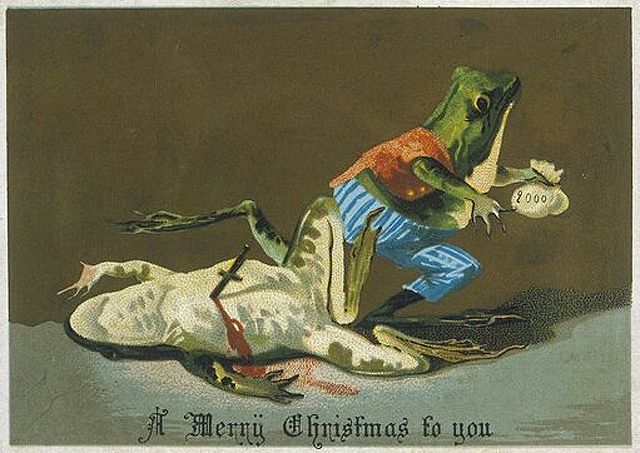
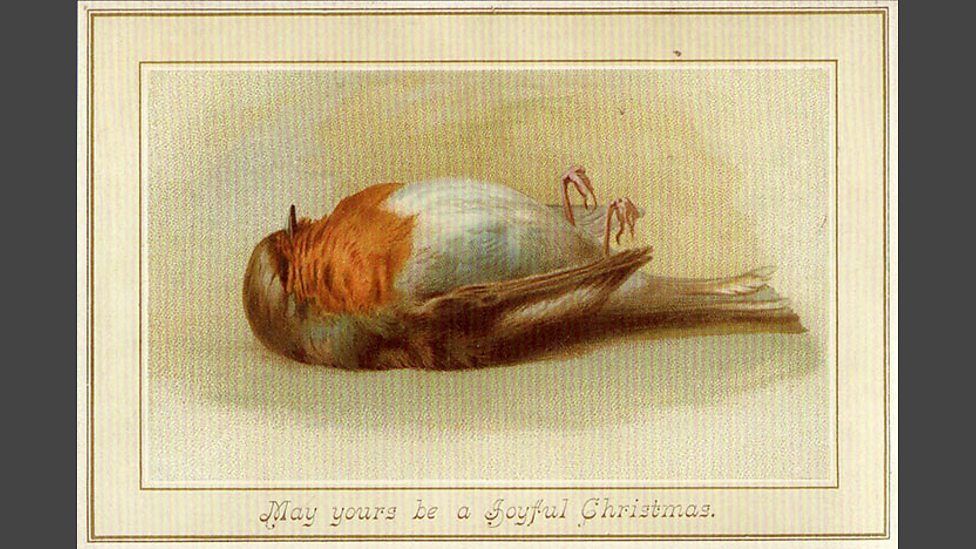
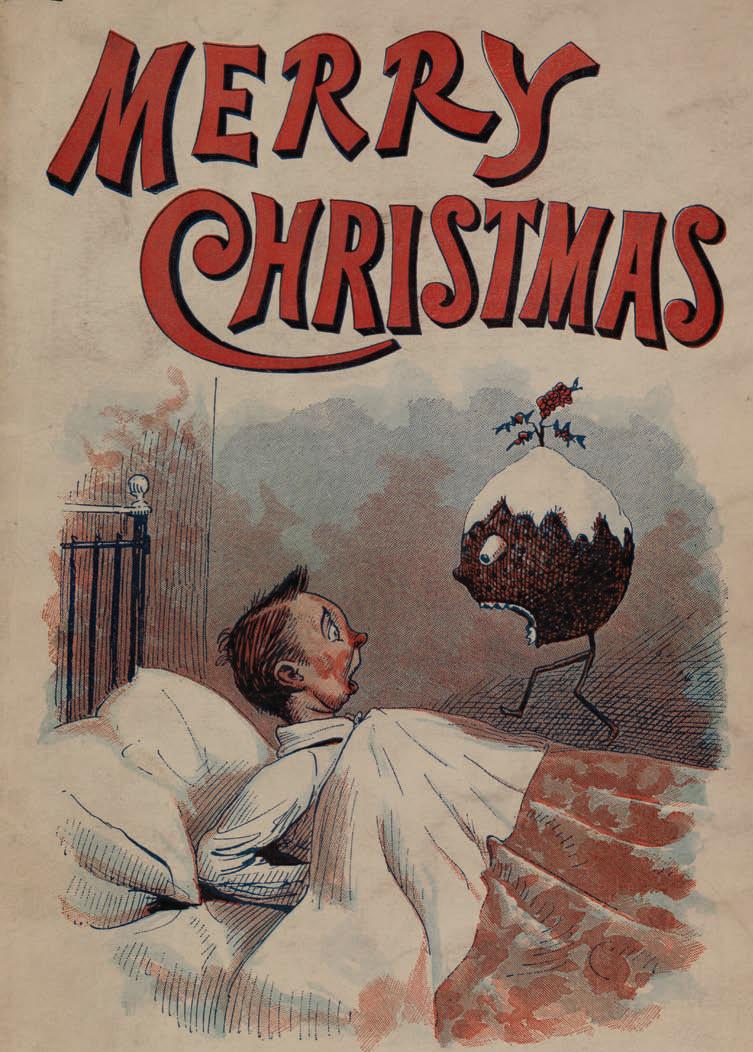
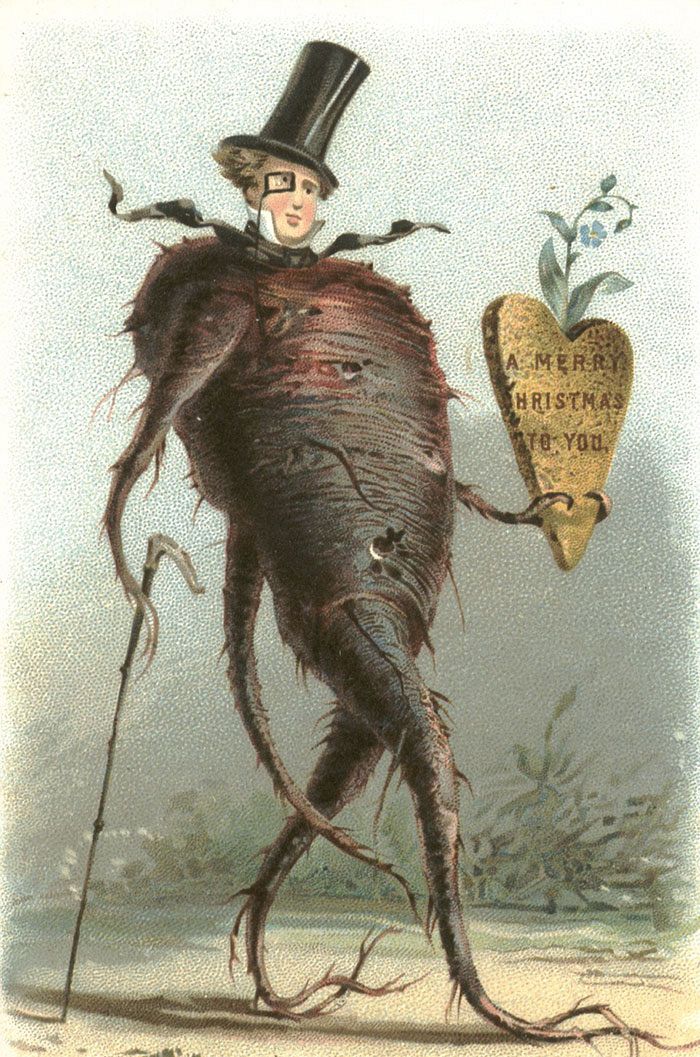
Nothing says “Merry Christmas ” like murderous frogs, sporting chickens, gourmet mice, and a dead robin. What would a 21st-century psychiatrist have to say about the Victorian minds that produced such images?
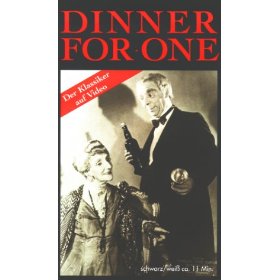
Dinner for One (or The 90th Birthday): this short British comedy film from 1963, virtually unknown in the English-speaking world, is one of Europe’s favourite holiday season movies. Starring Freddie Frinton and May Warden, it concerns an elderly lady and her butler celebrating her birthday with four imaginary friends. The butler becomes increasingly inebriated as he is forced to imitate each of the long-dead guests and drink toasts in their names. The recurring line “The same procedure as every year” has become a catch phrase across northern Europe.
For some reason this little slapstick farce has become a tradition in late December in many countries. It is broadcast every December 23 on Norwegian television and on New Year’s Eve in the rest of Scandinavia and Germany.
Similar curious broadcast traditions occur in Italy where the 1983 American comedy Trading Places has become a Christmas Eve staple, Britain where the animation of Brigg’s book The Snowman is shown every year over the holidays and in eastern Europe where a variation on the Cinderella story Tři oříšky pro Popelku is popular.
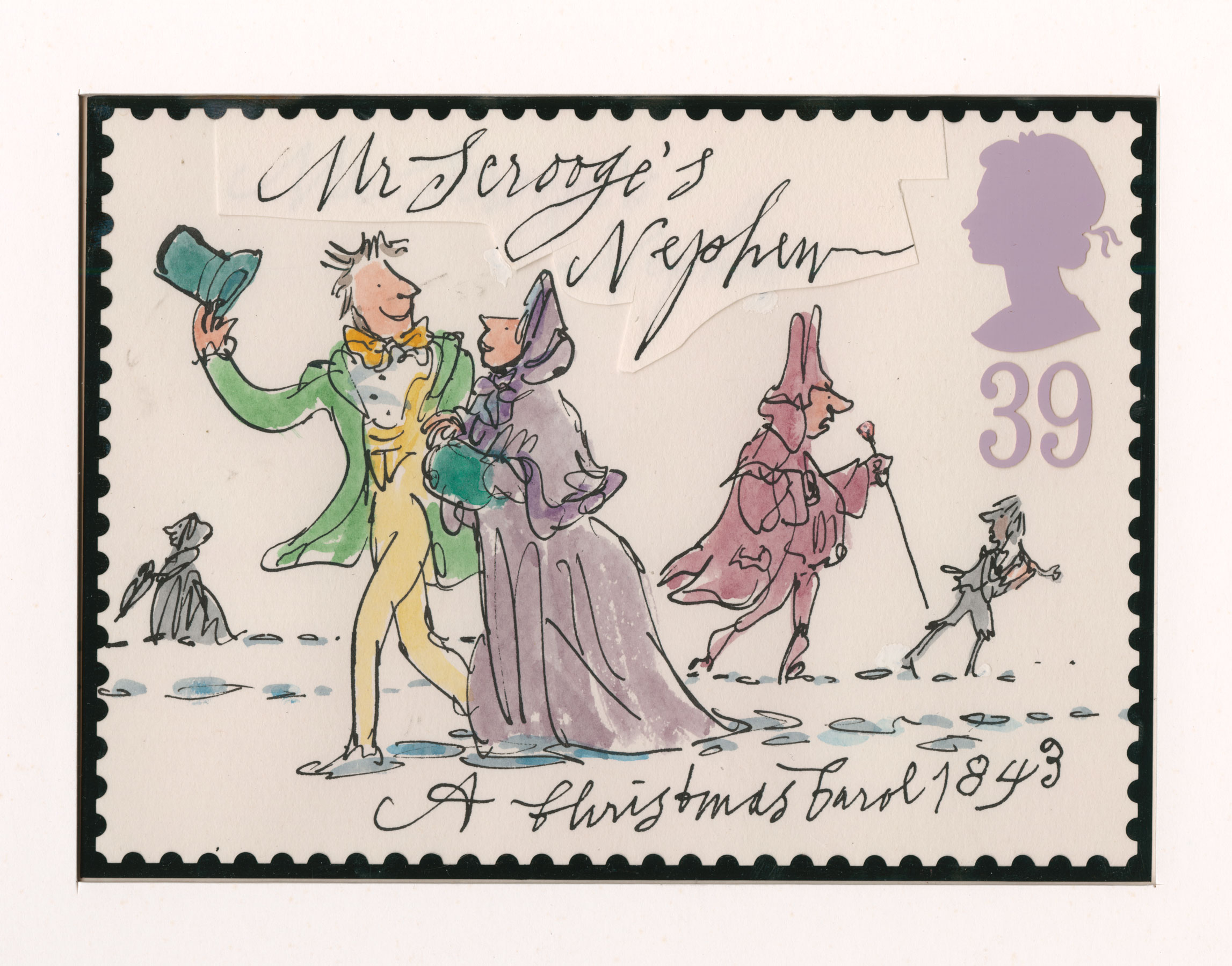
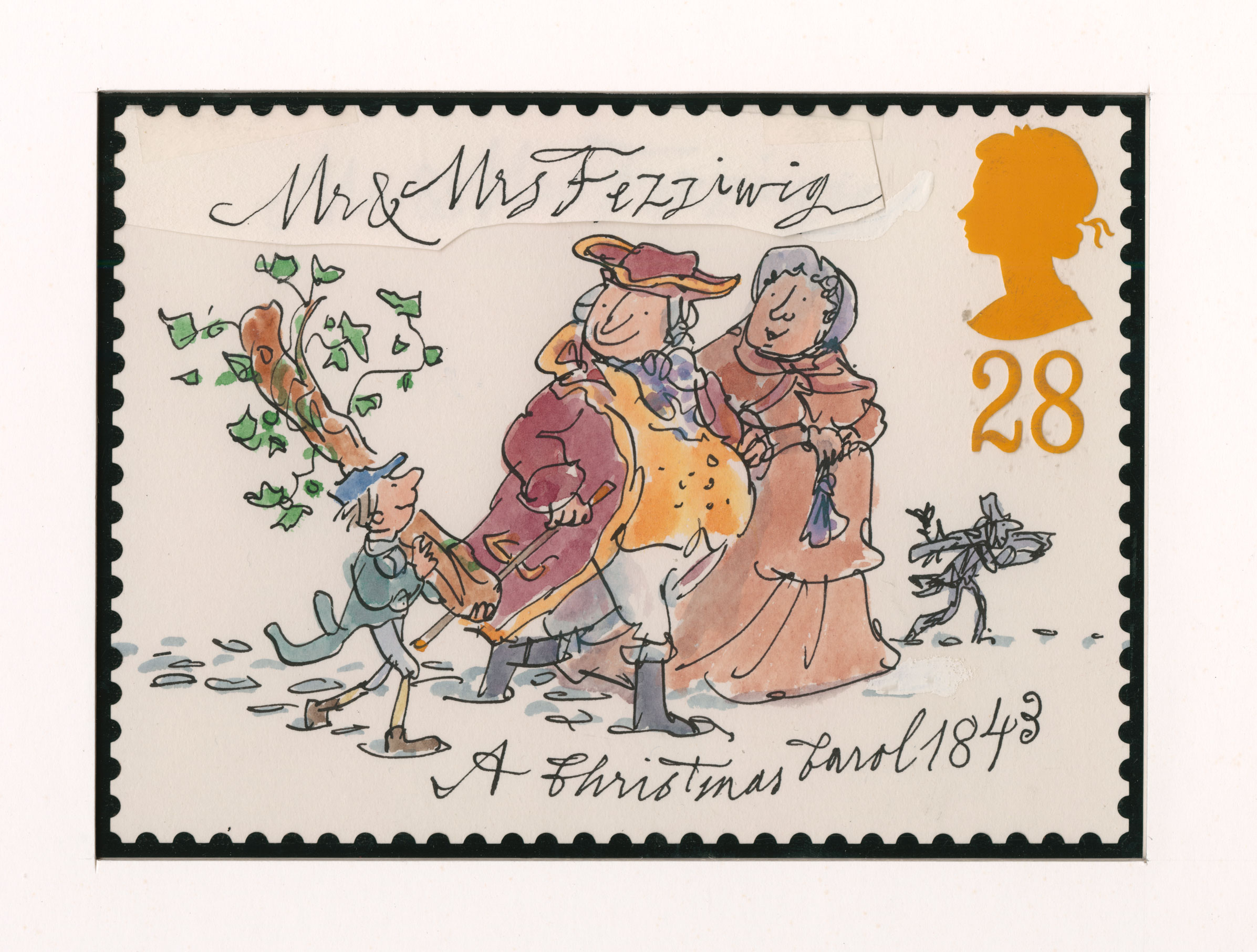
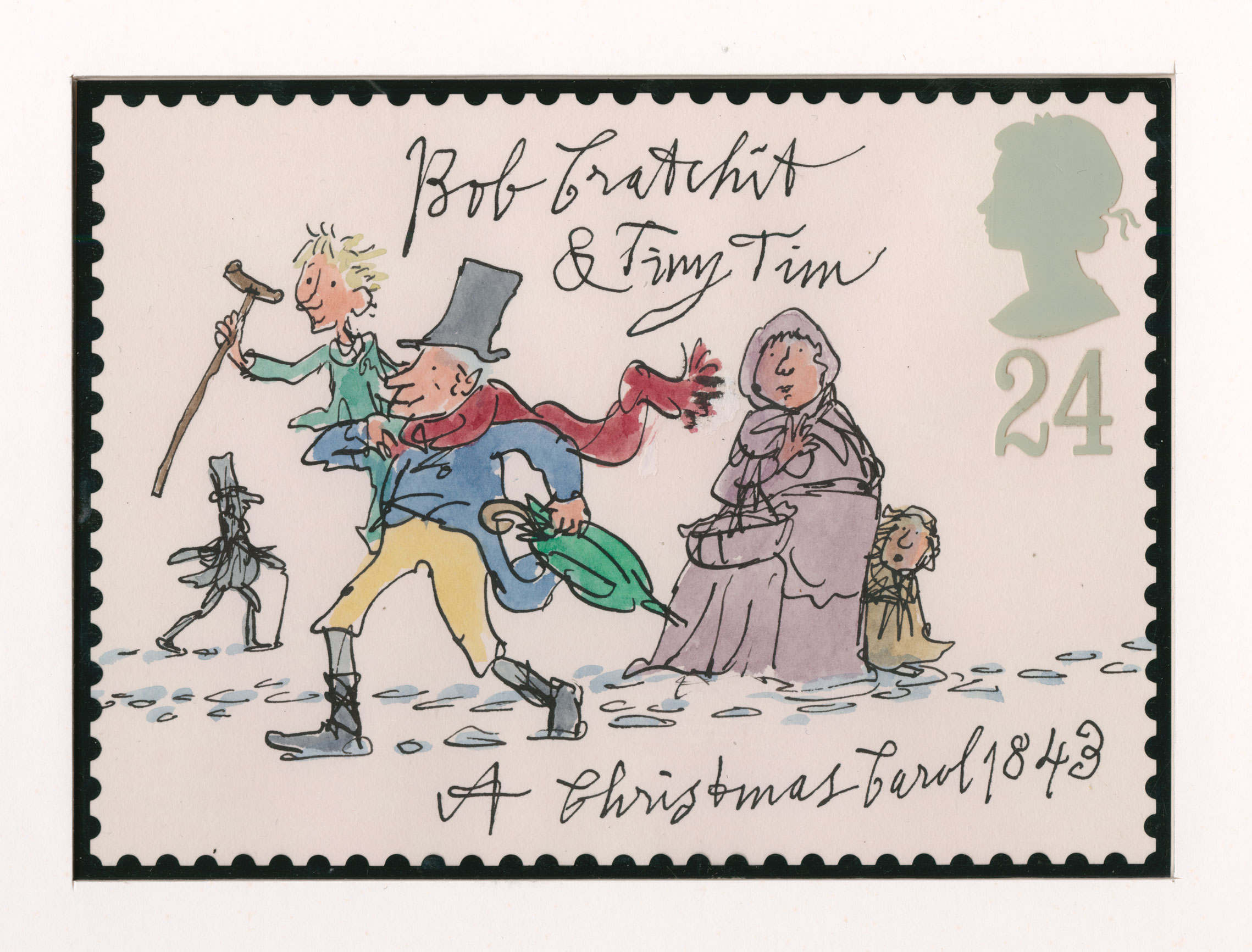
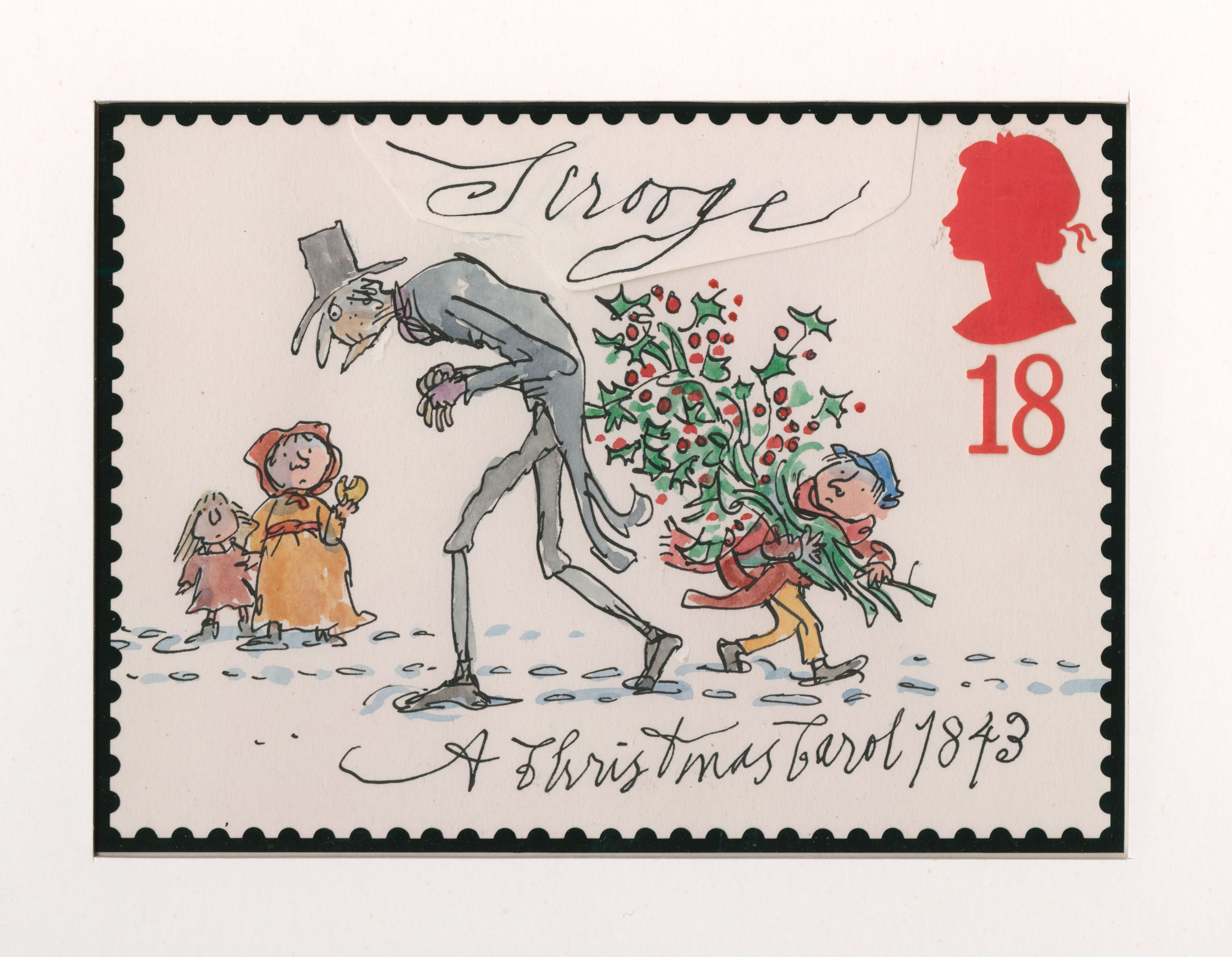
Quentin Blake (1932-) is a beloved English illustrator and author. In 1993 he was commissioned by the Post Office to create a set of stamps using characters from Charles Dickens’ A Christmas Carol.
They past, they say is a foreign country; they do things differently there. Nowhere is this adage more true than in the contemplation of bizarre English Christmas cards from the Victorian era. What could have persuaded artists that these images were suitable for a Christmas greeting?