Fortune knocks but once, but misfortune has much more patience.
Fortune knocks but once, but misfortune has much more patience.
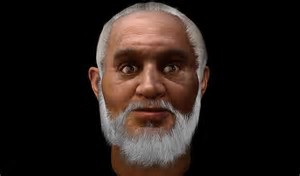
Three cities each claim to possess the remains of St Nicholas, Bishop of Bari, and the prototype of Santa Claus. Myra, in Turkey, the site of Nicholas’s home church, asserts that it is the true location of the saint’s tomb, but churches in Venice and Bari in Italy both say that they acquired the real relics in the 11th century.
In 2004 the bones housed in Bari’s cathedral were subjected to a forensic technology that claims to be able to reconstruct an original facial image from skeletal remains. St Nicholas, it now appears, was about 5’ 6” (1.68 metres) in height with a wide chin and brow and, perhaps unsurprisingly in a saint known for his forthright interventions, a broken nose.
Any man who afflicts the human race with ideas must be prepared to see them misunderstood.

A version of the Lord of Misrule in clerical garb, a popular name for the leader of Christmas revels in late medieval Scotland (where he was also known as the Master of Unreason). In 1489 Henry VII of England had an Abbot of Misrule to direct his holiday events. The office was officially banned in England in 1555, but continued into the seventeenth century and only vanished during the reign of the Puritan faction in the 1640s and 1650s. In France the “Abbot of Misrule” was called L’Abbé de Liesse (jollity). In Cambrai of the late medieval period the festivities during the Twelve Nights were run by “Fools’ Abbots” and “Simpletons’ Bishops” but this practice of riotous good fun and social inversion was ended by the Catholic Reformation.
The wise man does at once what the fool does finally.
Always do sober what you said you’d do drunk. That will teach you to keep your mouth shut.
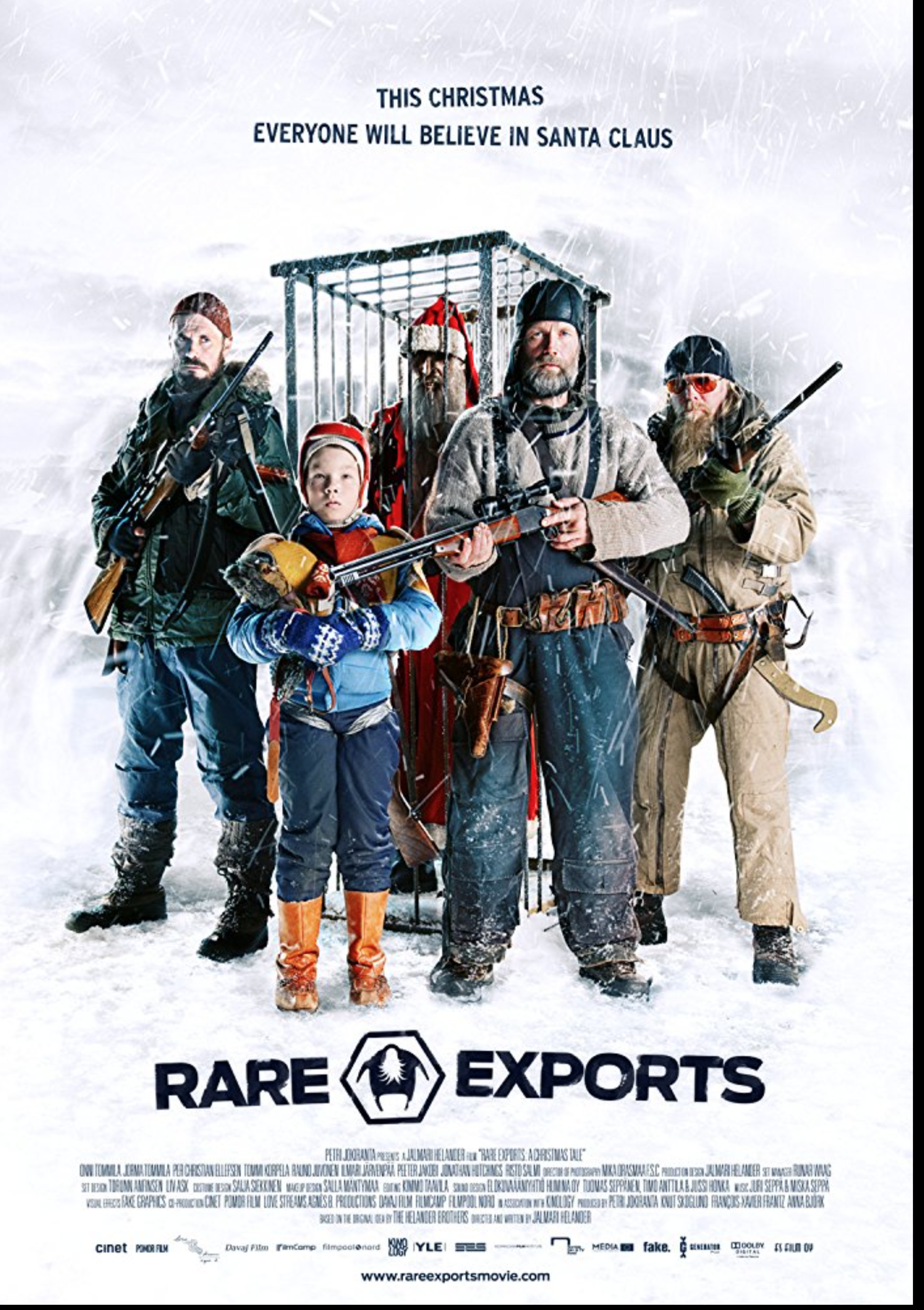
In the Hall of Fame for Christmas movies, the 1951 version of Scrooge with Alistair Sim in the title role leads all the rest. There can be no argument about that, and if you disagree with me you are worse than Hitler. However, there are a number of contenders for the Number Two spot on the list. One of those who can justly be considered is a 2010 Finnish movie entitled Rare Exports.
I will not spoil the plot for you but I will give you some context that will help you understand this cinematic treat. In the 18th and 19th centuries, Christmas customs in northern and central Europe contained a number of very scary gift-bringers, such as Berchta the Disemboweller who might just as easily slit your stomach open as give you a present. In Finland there was Joulupukki, or the fierce Yule Goat with some very unpleasant habits. These frightening creatures were gradually replaced by a kindly Santa Claus figure, though they retained their old names. In Rare Exports, young Pietari learns the grim origins of Joulupukki at the same time that strange doings are afoot on the mountain where the Yule Goat is said to live.
There are genuinely tense moments in this movie so I wouldn’t recommend it for small children but there is humour and love too, and a wonderful ending that will have you laughing out loud.
The cure for boredom is curiosity. There is no cure for curiosity.
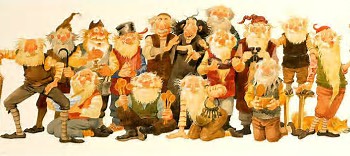
More from Iceland. Settled by Vikings a thousand years ago, Iceland was long isolated in the chilly North Atlantic and its people developed a number of interesting, and terrifying folk beliefs — tales of cannibal ogres and their offspring threatening isolated farmhouses during the Christmas season. The land was said to be haunted by monsters with a taste for human flesh whose thirteen offspring were prone to invade the house and make life miserable for the inhabitants.
These Jólasveinar, or Yule Lads, had names such as Meat Hook, Doorway Sniffer and Door Slammer which give clues as to their particular malicious specialties. They came down from the mountains one by one in the thirteen days before Christmas, practiced their nasty deeds and left one by one in the days after Christmas. Nowadays the Jólasveinar have mellowed with time and are welcomed into the home as gift bringers. Starting on December 12, the eve of St Lucia, children put out their shoes at night believing that each of the Lads as they arrive will leave them little treats. Once they have all arrived, they leave one by one, to be gone by Epiphany.
Stay where you are, otherwise you will miss your life.