In 1920 the British government undertook the rule of some parts of the former Turkish Empire. In the form of a mandate from the League of Nations, Britain occupied Palestine and Transjordan with their mixture of Arabs and Jews, Christians and Muslims. It was an unhappy regime with all sides calling for the withdrawal of the foreigners and independence for the various religious groups; Jews fought Arabs, Arabs fought Jews, and both sides took shots at the British.
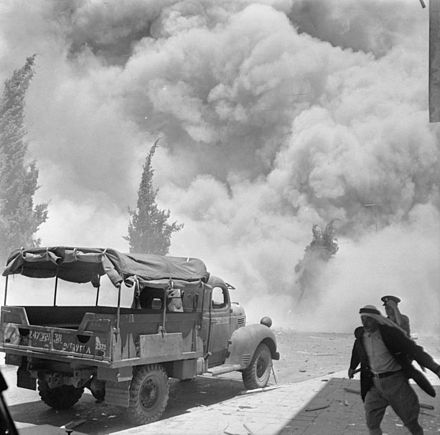
After the end of World War II, Arabs and Jews continued their attacks on each other and on the British occupying force, who had no intention of staying but who had to maintain order until an international settlement was agreed upon to divide the land between Jews and Palestinians. An obvious target was the King David Hotel, headquarters of the Secretariat of the Government of Palestine and of the British Armed Forces in the region. A hard-line group of Jewish terrorists, the Irgun, received permission from the umbrella group guiding the Zionist military movement to attack the hotel and planned to plant hundreds of pounds of explosives in milk cans in the basement. This they did at noon on July 22; phone calls warning of the bombs may — or may not — have been made, but no evacuation had taken place before the devices exploded, bringing down a wing of the hotel.
The explosions killed 91 people, a mixture of British officials and clerks, Jews (including some supporters of Irgun), foreign visitors and Arabs. An outraged Britain clamped down on Jewish life in Jerusalem, achieving Irgun’s aim of causing further discontent with the Mandate occupation. To this day, the Israeli government treats the bombers as heroes.
Butler’s Lives of the Saints gives us a vivid account of this martyr:
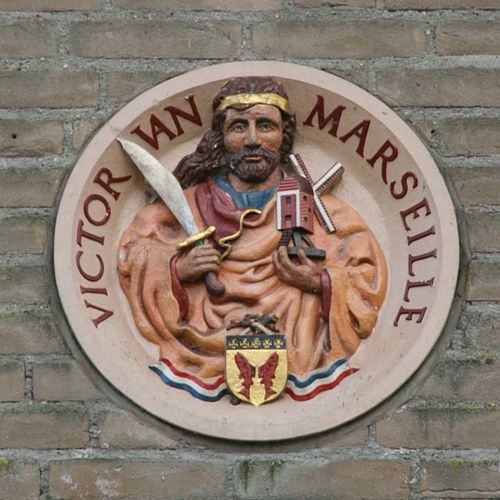
The Emperor Maximian, reeking with the blood of the Thebæan legion and many other martyrs, arrived at Marseilles, where the Church then flourished. The tyrant breathed here nothing but slaughter and fury, and his coming filled the Christians with fear and alarm. In this general consternation, Victor, a Christian officer in the troops, went about in the night-time from house to house, visiting the faithful and inspiring them with contempt of a temporal death and the love of eternal life. He was surprised in this, and brought before the prefects Asterius and Eutychius, who exhorted him not to lose the fruit of all his services and the favor of his prince for the worship of a dead man, as they called Jesus Christ. He answered that he renounced those recompenses if he could not enjoy them without being unfaithful to Jesus Christ, the eternal Son of God, Who vouchsafed to become man for our salvation, but Who raised Himself from the dead, and reigns with the Father, being God equally with Him. The whole court heard him with shouts of rage. Victor was bound hand and foot and dragged through the streets of the city, exposed to the blows and insults of the populace. He was brought back bruised and bloody to the tribunal of the prefects, who, thinking his resolution must have been weakened by his sufferings, pressed him again to adore their gods. But the martyr, filled with the Holy Ghost, expressed his respect for the emperor and his contempt for their gods. He was then hoisted on the rack and tortured a long time, until, the tormentors being at last weary, the prefect ordered him to be taken down and thrown into a dark dungeon. At midnight, God visited him by His angels; the prison was filled with a light brighter than that of the sun, and the martyr sung with the angels the praises of God. Three soldiers who guarded the prison, seeing this light, cast themselves at the martyr’s feet, asked his pardon, and desired Baptism. Victor instructed them as well as time would permit, sent for priests the same night, and, going with them to the seaside, had them baptized, and returned with them again to his prison. The next morning Maximian was informed of the conversion of the guards, and in a transport of rage sent officers to bring them all four before him. The three soldiers persevered in the confession of Jesus Christ, and by the emperor’s orders were forthwith beheaded. Victor, after having been exposed to the insults of the whole city and beaten with clubs and scourged with leather thongs, was carried back to prison, where he continued three days, recommending to God his martyrdom with many tears. After that term the emperor called him again before his tribunal, and commanded the martyr to offer incense to a statue of Jupiter. Victor went up to the profane altar, and by a kick of his foot threw it down. The emperor ordered the foot to be forthwith chopped off, which the Saint suffered with great joy, offering to God these first-fruits of his body. A few moments after, the emperor condemned him to be put under the grindstone of a hand-mill and crushed to death. The executioners turned the wheel, and when part of his body was bruised and crushed the mill broke down. The Saint still breathed a little, but his head was immediately ordered to be cut off. His and the other three bodies were thrown into the sea, but, being cast ashore, were buried by the Christians in a grotto hewn out of a rock.
St Victor is patron of Tallinn, Estonia, where a medieval brotherhood sponsored art works in local churches which celebrated his deeds.
In 1402 the Turkish sultan Bayezid I, nicknamed “the Lightning”, could consider himself quite the success. He had seized the throne immediately after the death of his father at the Battle of Kosovo which broke the power of Serbia and had secured his claim by murdering his baby brother — setting the fratricidal example that Turkish leaders would follow for centuries. In 1396 he had smashed a great western crusade at the Battle of Nicopolis and erected the monumental Ulu Cami mosque in celebration. He had crushed other Turkish emirs and forced them to submit to his overlordship — but now he faced a new challenge out of Central Asia: the all-conquering Mongol armies of Timur the Lame (known in the West as Tamerlane).
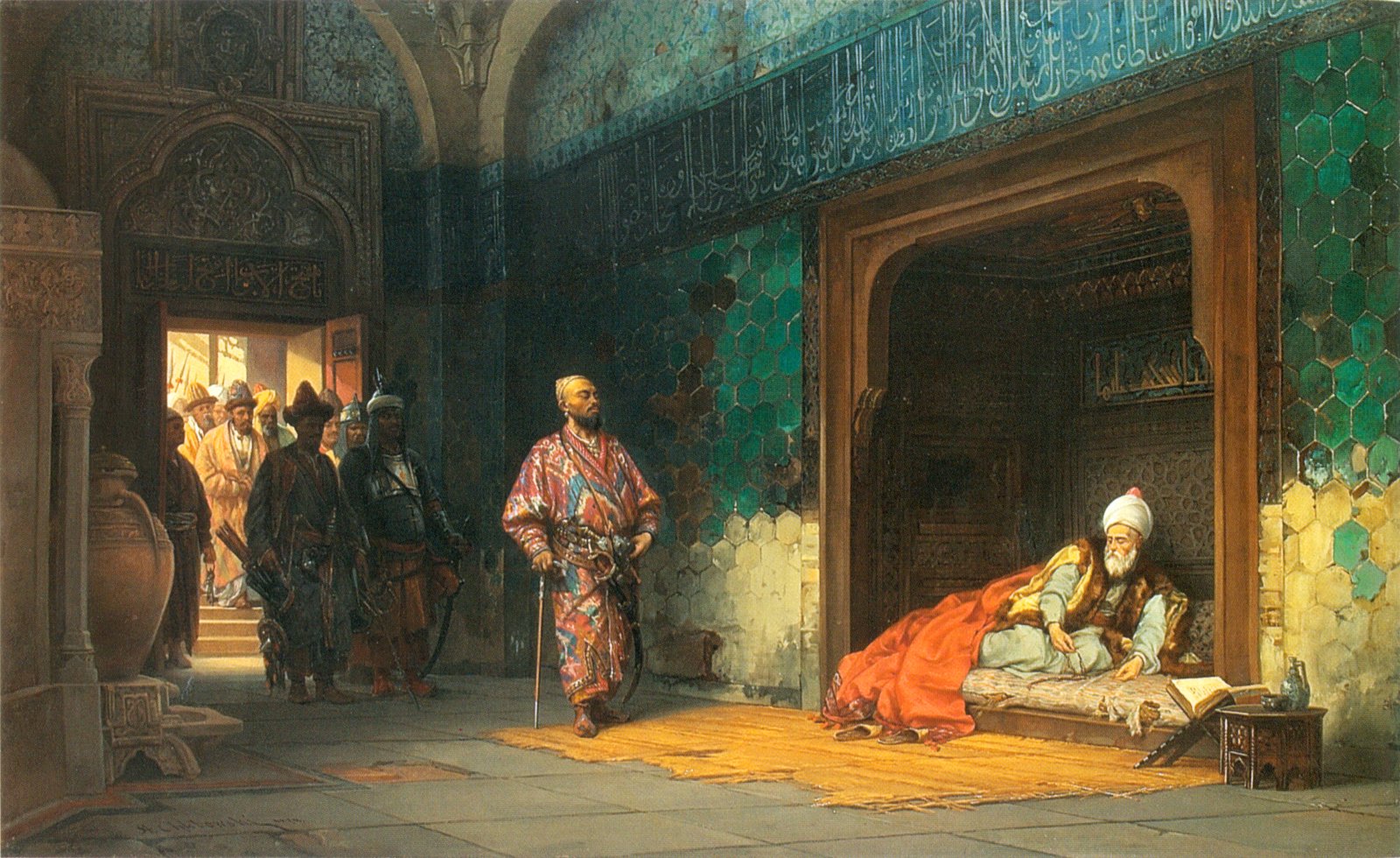
Bayezid had been laying siege to Constantinople, the capital of the shrinking Christian Byzantine empire, but he abandoned that project and headed into the Anatolian heartland with a tired and thirsty army. Instead of allowing the enemy to exhaust himself chasing Turkish forces in the mountains, Bayezid insisted on an attack against a larger army possessing war elephants and mounted archers. The Turks were smashed and Bayezid was carted away by Timur in a cage. He never regained his freedom. (The 19th-century painting above shows Timur examining his captive.)
When Timur, having shattered the work of four Ottoman generations, turned back eastward, the Ottoman lands fell into a fierce internecine struggle among four brothers who contended with each other to secure possession of their European provinces, which had been little affected by the Mongol invasion, and to reunite the Ottoman dominions. In these wholly unexpected circumstances the Byzantines found themselves the favoured allies first of one Turkish contender, then of another. The blockade of Constantinople was lifted. Thessalonica – with Mount Athos and other places – was restored to Byzantine rule, and the payment of tribute to the sultan was annulled. It was the last breathing spell for the Christian empire, occasioned by a battle between two Muslim warlords.
As Muslim conquest of the southern shore of the Mediterranean proceeded, taking first Egypt, then Carthage, then Caesarea, it was inevitable that it would reach across the Straits to Spain. In 711, Arab and Berber forces from what is now Morocco, crossed the channel to the Visigothic kingdom, at the invitation of one of the factions in a civil war, and went on to subdue almost all of the Iberian peninsula.
The Visigoths were a Germanic tribe that had invaded Hispania in the 5th century, driving out other earlier northen intruders such as the Vandals (who left behind the name Andalusia — land of the Vandals) and the Suevi. They were Arian Christians when they first arrived but as they gradually became more civilized they adopted the Catholic religion of their subjects. Despite their faith, they remained a quarrelsome and murderous bunch, so fond of killing their own kings, that the Romans laughingly called assassination the morbus Gothicus, the Gothic Disease. It was one of their frequent tussles for the throne that the Muslim army was able to take advantage of.
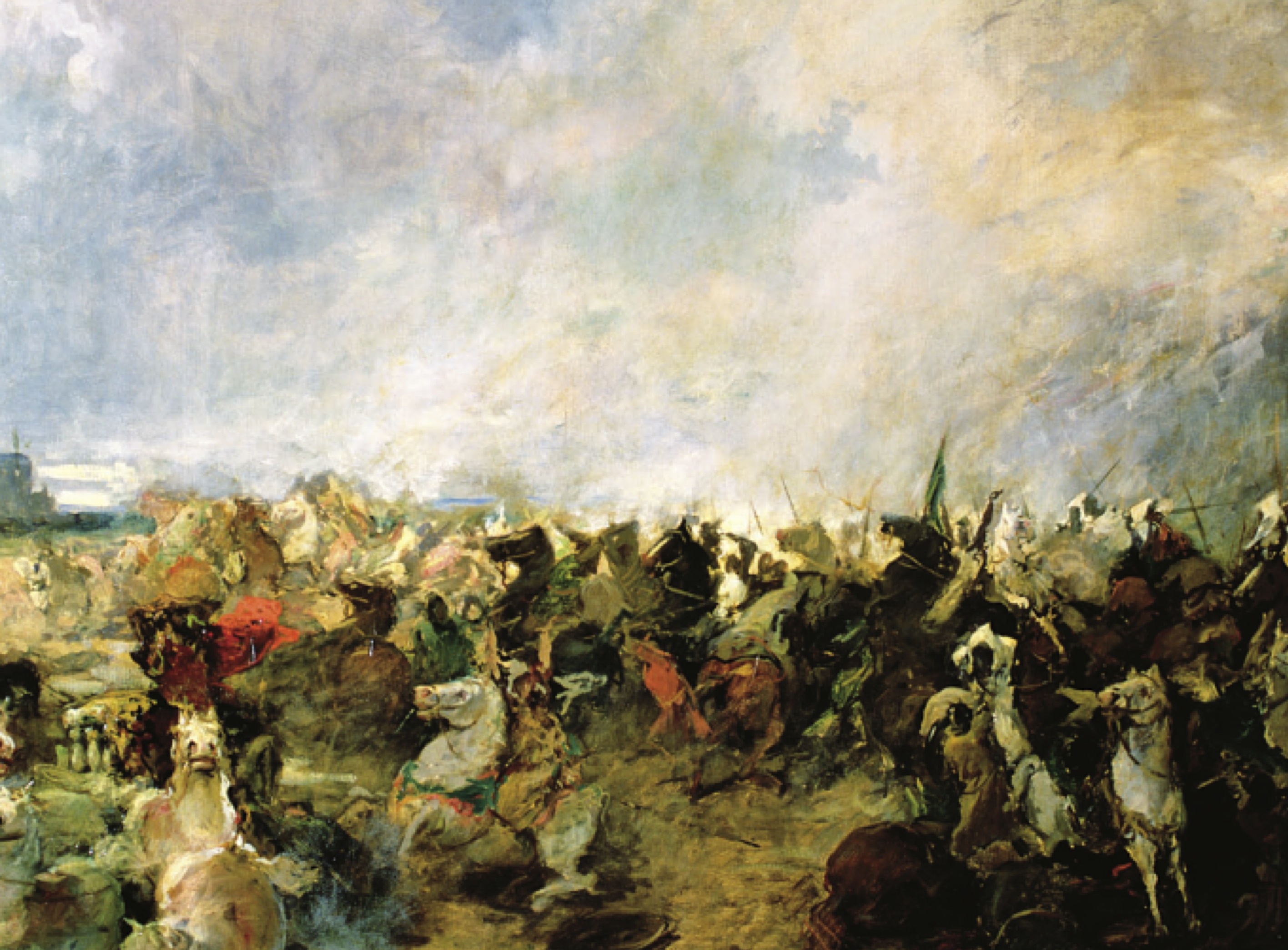
The leader of the Arab-Berber army was Tariq ibn Ziyad (after whom Gibraltar – Jib-al-Tariq – is named). He probably did not suspect that his expedition would be so successful but it appears that the victory on this day at the Battle of Guadalete killed the Visigothic king Roderic and much of his warrior class, leaving a political vacuum which the Muslims exploited over the next couple of years. By 713-14 they had reached the Pyrenees, leaving only the northwest corner of Spain in the hands of Christians. The Moorish occupation of the peninsula would be ended only in 1492 with the fall of Granada to Ferdinand and Isabella.
In the long and squalid annals of the Kennedy family, few incidents are more shameful than the behaviour of Senator Ted Kennedy in the Chappaquiddick incident.
Edward Moore Kennedy was the last remaining son of the famous clan. Though young and already tarnished by scandal (expelled from Harvard for cheating) he had been elected to the Senate for Massachusetts in 1962 and was the white hope of left-wing Democrats who expected he would use the memory of his assassinated brothers to ascend to the White House. That plan was dealt a fatal blow in the aftermath of a July 1969 party, held to celebrate the “Boiler Room Girls”, a group of six young women who had worked on Robert Kennedy’s campaign the previous year. All the women were single and in their twenties; all the men attending were married.
At about 11:15 p.m., Kennedy and one of the women, Mary Jo Kopechne, left the party and drove off in Kennedy’s Oldsmobile. Over an hour later the car, with two people in it, was spotted by a policeman parked on a rural road; when the man approached the car, it departed in a cloud of dust. Shortly thereafter, the car drove off a bridge into the water where it overturned and sank, ending up on its roof. Kennedy was able to escape and walked to the party where he alerted friends to the accident and the fact that Ms Kopechne was still under water. With two companions Kennedy returned to the car where they tried in vain to rescue the trapped woman. Though his friends insisted that he report the incident, Kennedy, instead, dove into the water to swim across the channel and go back to his hotel. There he complained about other noisy guests and went to sleep. In the morning the submerged car was noticed by fishermen and reported to the police; Kennedy and his friends had still not made any contact with the authorities until he heard on the radio that a body had been found in his car. He then attended the police station and dictated a short statement (at variance with the facts).
Despite the fact that the police diver who recovered the body said that Ms Kopechne had survived some hours in the car until the trapped air ran out and that she could have been rescued if Kennedy had called for help, the affair was soon dispensed with. No autopsy was held; Kennedy was convicted only of leaving the scene of a crash. His driver’s license was temporarily suspended. The incident, however, showed Kennedy in the worst possible light and the stink of it prevented Kennedy from daring to run for the presidency until an unsuccessful bid for the Democratic nomination in 1980. Even then he was dogged by the memory of Chappaquiddick when his opponent Jimmy Carter injected it into the campaign. The good people of Massachusetts, however, kept returning Teddy to the Senate, until his death in 2009.
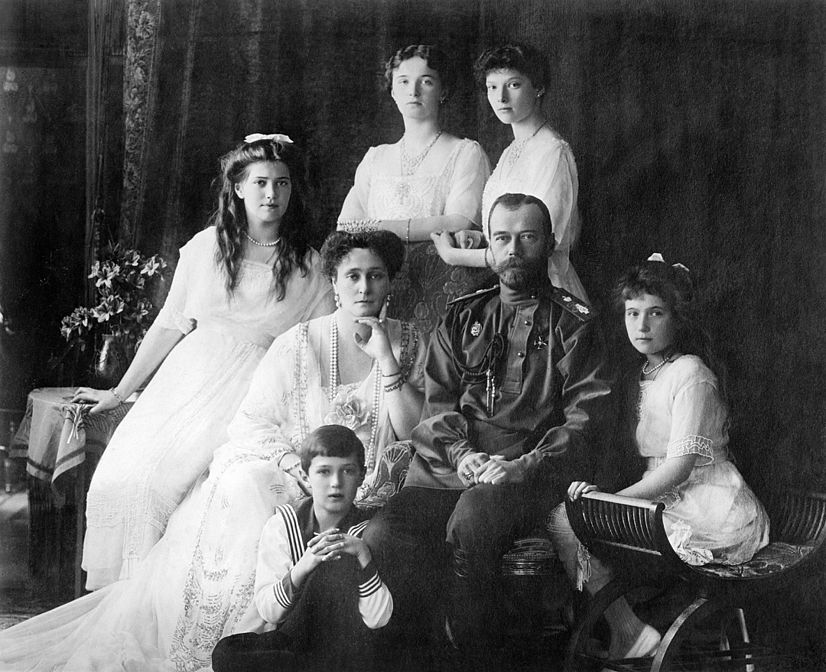
A revolution in February 1917 overthrew the house of Romanov and ended the tsarist autocracy in Russia. Tsar Nicholas II was a decent man but a stubborn and incompetent ruler; he and his German-born wife had grown increasingly unpopular and their deposition at the hands of democratic revolutionaries was well-received in the country. The provisional government imprisoned the royal couple, their chronically-ill son, and four daughters in relative comfort in the Urals, with the hope of sending them into exile. However, the Bolshevik coup dropped the family into the hands of people with little thought of mercy. For Lenin’s Communists, Nicholas was a class enemy whose presence abroad would only encourage opposition to world revolution.
On the night of July 16-17, the royal family, a doctor, and three servants were led to a basement and a death sentence was pronounced against them. Seven executioners then shot, bludgeoned, and bayoneted the victims and disposed of their mutilated bodies in crude fashion. A press release by the local soviet read:
In view of the enemy’s proximity to Yekaterinburg and the exposure by the Cheka [Bolshevik secret police] of a serious White Guard plot with the goal of abducting the former Tsar and his family… In light of the approach of counterrevolutionary bands toward the Red capital of the Urals and the possibility of the crowned executioner escaping trial by the people (a plot among the White Guards to try to abduct him and his family was exposed and the compromising documents will be published), the Presidium of the Ural Regional Soviet, fulfilling the will of the Revolution, resolved to shoot the former Tsar, Nikolai Romanov, who is guilty of countless, bloody, violent acts against the Russian people.
In 1979, the bodies of Nicholas, Alexandra, their servants and four children were discovered but it was not until 2007 that the bodies of Alexei and Maria were identified. The royal family is now entombed together in Peter and Paul Cathedral, St Petersburg.
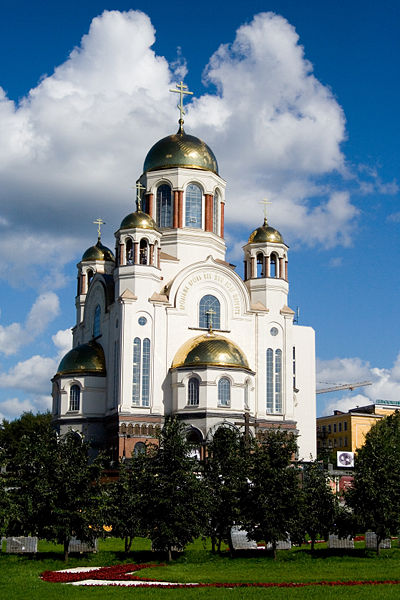
Many of the execution squad met their own grisly ends, either killed by angry peasants or shot by their own party in purges of the Stalin era. A cathedral has been erected over the site of the murders.
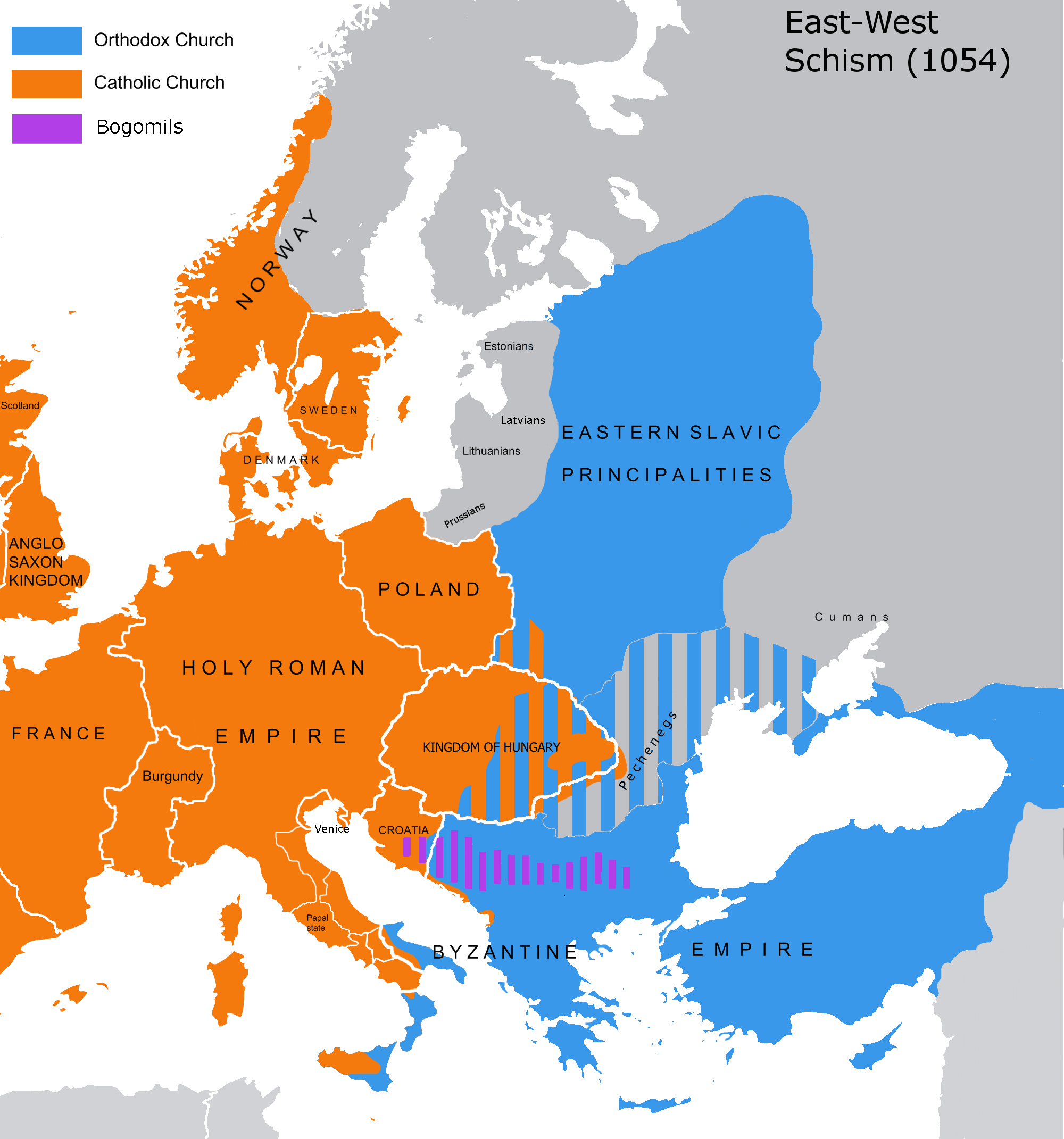
The Eastern and Western branches of Christianity had been growing farther apart over the centuries. Though they were in theory one Church, a number of factors had resulted in the development of separate worldviews and liturgical practices. The Eastern church thought and wrote in Greek, a language of which the Latin-speaking churchmen of the West were largely ignorant. The West demanded a celibate clergy; the East allowed priests (but not monks) to marry. The two churches quarrelled about the proper system for dating Easter and whether leavened or unleavened bread was to be used in communion. For Westerners the Bishop of Rome was the undisputed head; Easterners, under the thumb of the emperor in Constantinople, tended to regard the pope’s supremacy as only one of respect. Rome looked to the semi-barbarian kingdoms such as those of the Franks or the Germans for political muscle; Constantinople looked to convert the Slavs and orient them to Constantinople. Even theologically there were quarrels, especially over whether the Holy Spirit proceeded from the Father and Son (as in the Western creed) or only the Father (as in the East).
Matters came to a head in 1054. In the previous year Byzantine churches in southern Italy were harassed by papal authorities and Michael Keroularios, Patriarch of Constantinople, had closed Western churches in the capital. Anti-Western riots broke out in Constantinople before two legates arrived from Rome carrying a document signed by Pope Leo IX seeking military aid from the emperor and his help in curbing Keroularios who had termed Western clergy as “dogs, bad workmen, schismatics, hypocrites and liars.” Though they received a friendly reception from emperor, relations with the Patriarch grew heated. On July 16, the Roman emissaries laid a bull of excommunication against the Patriarch and his supporters on the altar of Hagia Sophia, and four days later Keroularios excommunicated the Roman legates. At the time, this was seen as being of little importance. The pope had died in April, rendering the commission of the delegates invalid; the Patriarch’s excommunication only extended to the Roman diplomats personally. But as time went on the split, later called the Great Schism, only widened and mistrust grew. In 1204 the sack of Constantinople by Catholic crusaders left a scar on the body of Christendom that has still not healed, though attempts have been made by Pope John Paul II, Francis I, and the Patriarchs of Constantinople and Moscow to heal the split.
In the early summer of 1381 the English peasantry, oppressed by the latests in a series of increased poll taxes, rose in rebellion. The most serious of these risings was that of the men of Kent. Led by Wat Tyler, the peasant army grew to number in the thousands, able to take several towns, including Canterbury, burning tax records and opening the jails. Among the prisoners freed was John Ball (c. 1338-81) a “hedge-priest”, or excommunicated cleric, who may well have been of a Lollard church.
Ball accompanied the rebels in their assault on London and in their attempt to force a meeting with the young king Richard II. When the peasant army was camped on Blackheath outside London he spoke to them of revolution in terms they could understand. “When Adam dalf, and Eve span” he asked [When Adam was digging and Eve was at her spinning], “who was thanne a gentilman? From the beginning all men were created equal by nature, and that servitude had been introduced by the unjust and evil oppression of men, against the will of God, who, if it had pleased Him to create serfs, surely in the beginning of the world would have appointed who should be a serf and who a lord”. Ball ended by recommending “uprooting the tares that are accustomed to destroy the grain; first killing the great lords of the realm, then slaying the lawyers, justices and jurors, and finally rooting out everyone whom they knew to be harmful to the community in future.”
Though Wat Tyler was murdered, the king promised to honour the promise he made to end serfdom, and the peasants dispersed. When London was free of the threat, Richard II ordered a mass round-up and execution; Ball was arrested in Coventry, and condemned to death by being hanged, drawn and quartered in the presence of the king. His head was exhibited on London Bridge as a warning to would-be rebels.
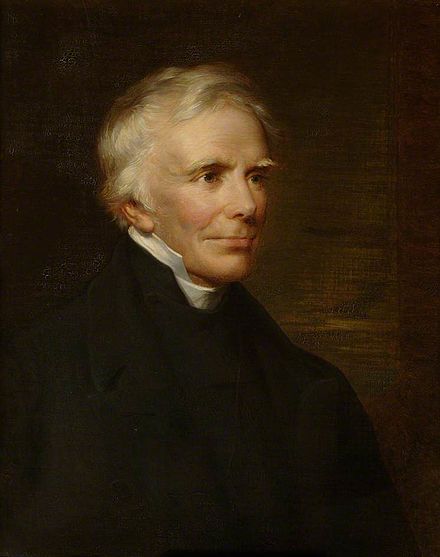
The publication of his work The Christian Year in 1827 led to John Keble (1792-1866) being named Oxford Professor of Poetry and resulted in a much keener interest in the Anglican church of the Christian calendar and long-neglected traditions. This poetic call to look backward was made in the midst of much turmoil. The British government had weakened the dominant position of the Church of England by removing restrictions on Protestant Dissenters and Roman Catholics and by legislation regarding the property of the Church of Ireland. Many, including Keble, felt that all this signalled a moving away from the proper relationship between Church and State. On July 14, 1833, he gave a strongly-worded sermon at Oxford University with the provocative title “National Apostasy”. In it, Keble warned of a weakening of religious sentiment and a loss of the notion that Britain was a Christian nation and he went so far as to predict a time of persecution. How was an English Christian then to behave? Keble counselled patience and encouragement.
I do not see how any person can devote himself too entirely to the cause of the Apostolical Church in these realms. There may be, as far as he knows, but a very few to sympathise with him. He may have to wait long, and very likely pass out of this world before he see any abatement in the triumph of disorder and irreligion. But, if he be consistent, he possesses, to the utmost, the personal consolations of a good Christian: and as a true Churchman, he has that encouragement, which no other cause in the world can impart in the same degree:—he is calmly, soberly, demonstrably, SURE, that, sooner or later, HIS WILL BE THE WINNING SIDE, and that the victory will be complete, universal, eternal.
This sermon inspired what became known as the Oxford or Tractarian Movement, an impulse inside Anglicanism to return to older ceremonial practices which may be termed High Church and a fondness for Gothic architecture and decoration. It eventually led to the abandonment of the Church of England by leading Tractarians such as John Henry Newman and Henry Manning, both of who adopted Roman Catholicism and rose to the rank of cardinal. Keble stayed within the Anglican Church.
St Margaret of Antioch, Virgin Martyr and Foe of Dragons
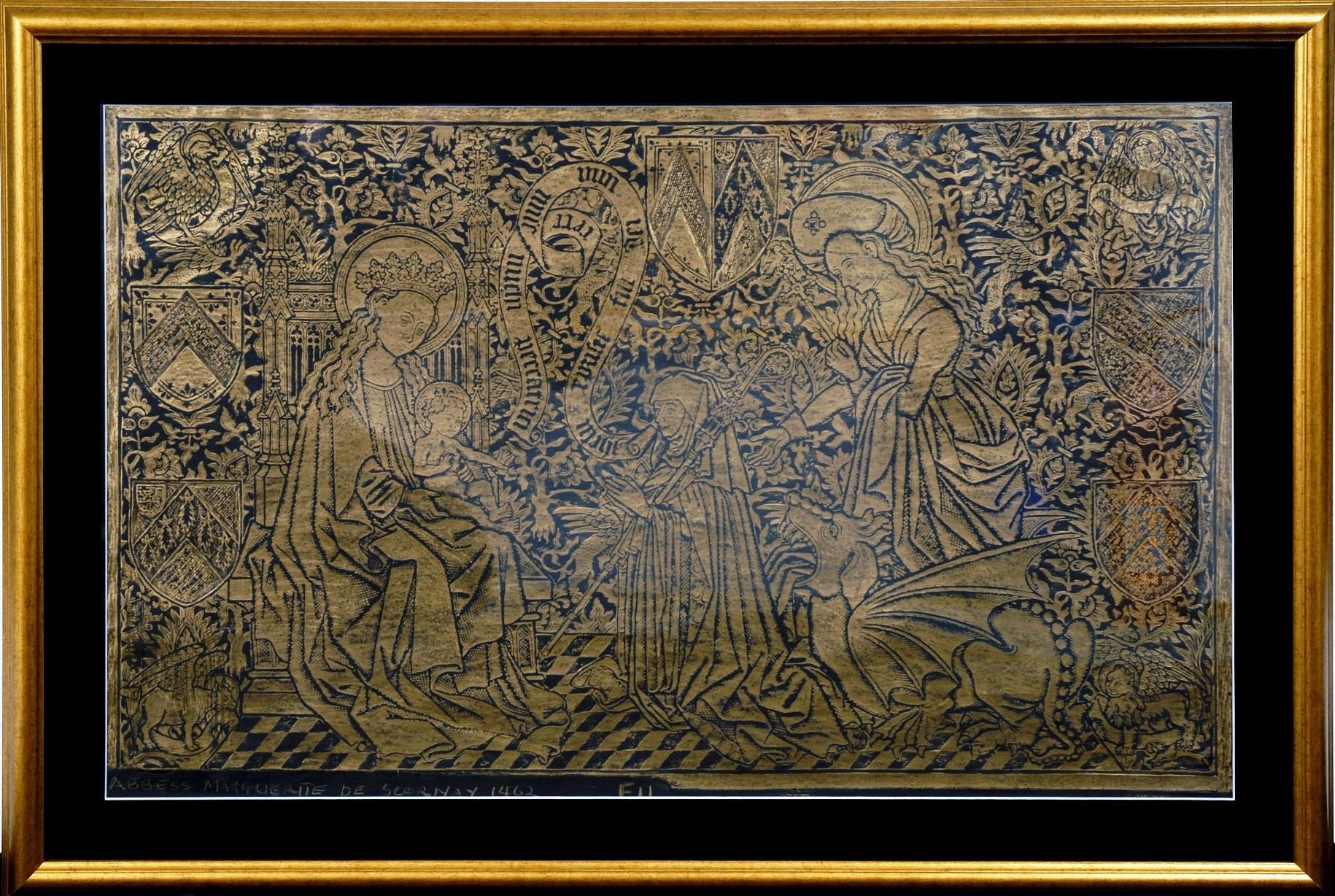
On this day Eastern Christians (who call her St Marina) celebrate the apocryphal life of Margaret of Antioch. Margaret was the daughter of a pagan priest in Asia Minor but was converted to Christianity by her nurse. Her beauty attracted the amorous interest of a local Roman official who, thwarted in his base desires, denounced her for her religion. Margaret suffered many tortures unscathed: an attempted burning, a twisting on the rack, being ripped with iron combs, a boiling and a spell in the innards of a dragon. The beast spit her out when the cross she was carrying irritated his digestive system. She was finally killed by beheading. Margaret is often portrayed emerging unharmed from the dragon and because of this is the patron saint of woman in childbirth and those suffering kidney stones. She was one of the saints who appeared to the young Joan of Arc.
The above illustration is a rubbing made from the brass plate commemorating Marguerite de Scornay, who was Abbess of Nivelle in Belgium from 1443 – 1460. The panel , the survivor of three after 1940’s bombing, shows the Abbess being presented to the Virgin and Child by St. Margaret of Antioch, her patron saint. Note the tamed dragon.