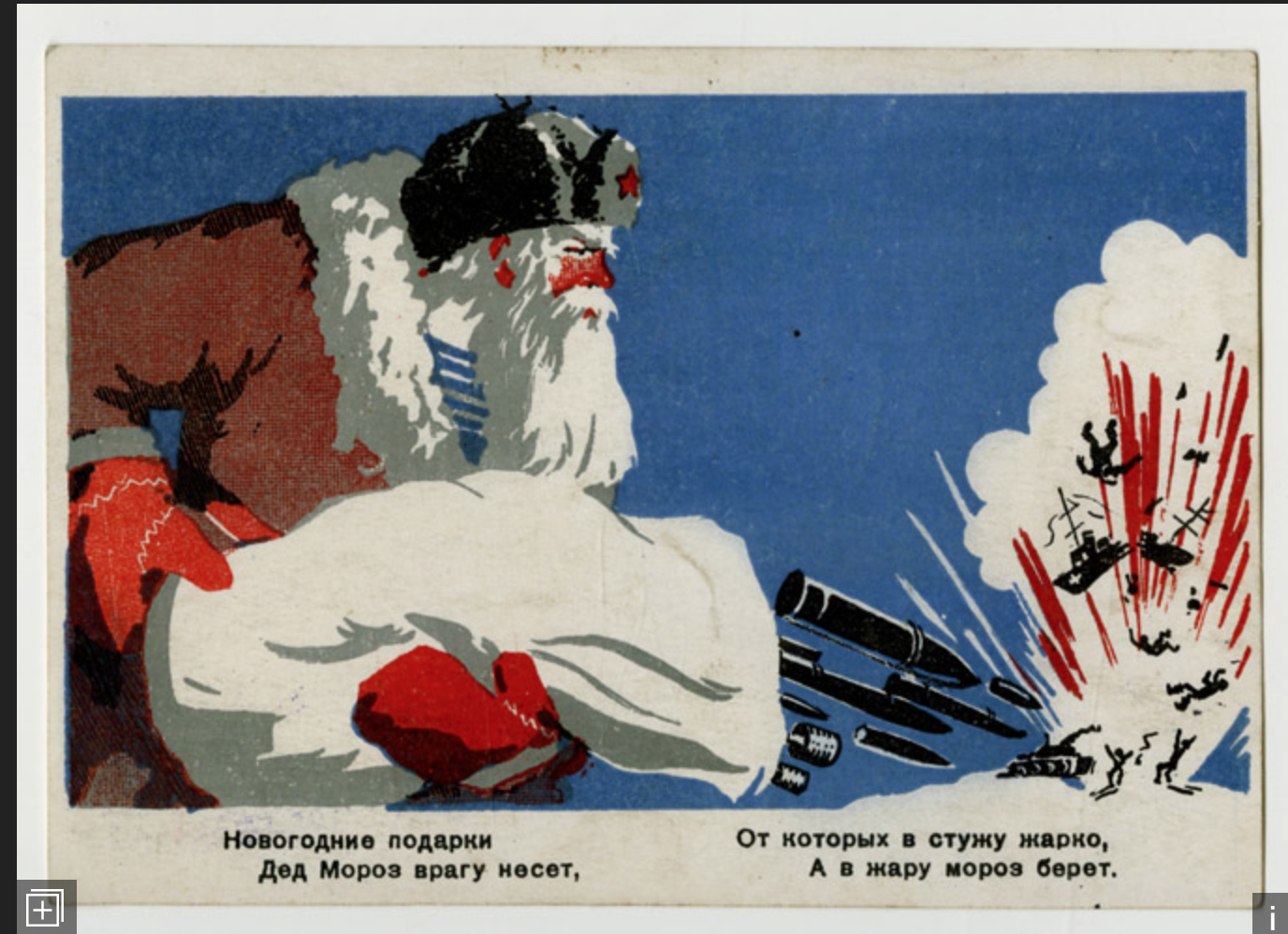
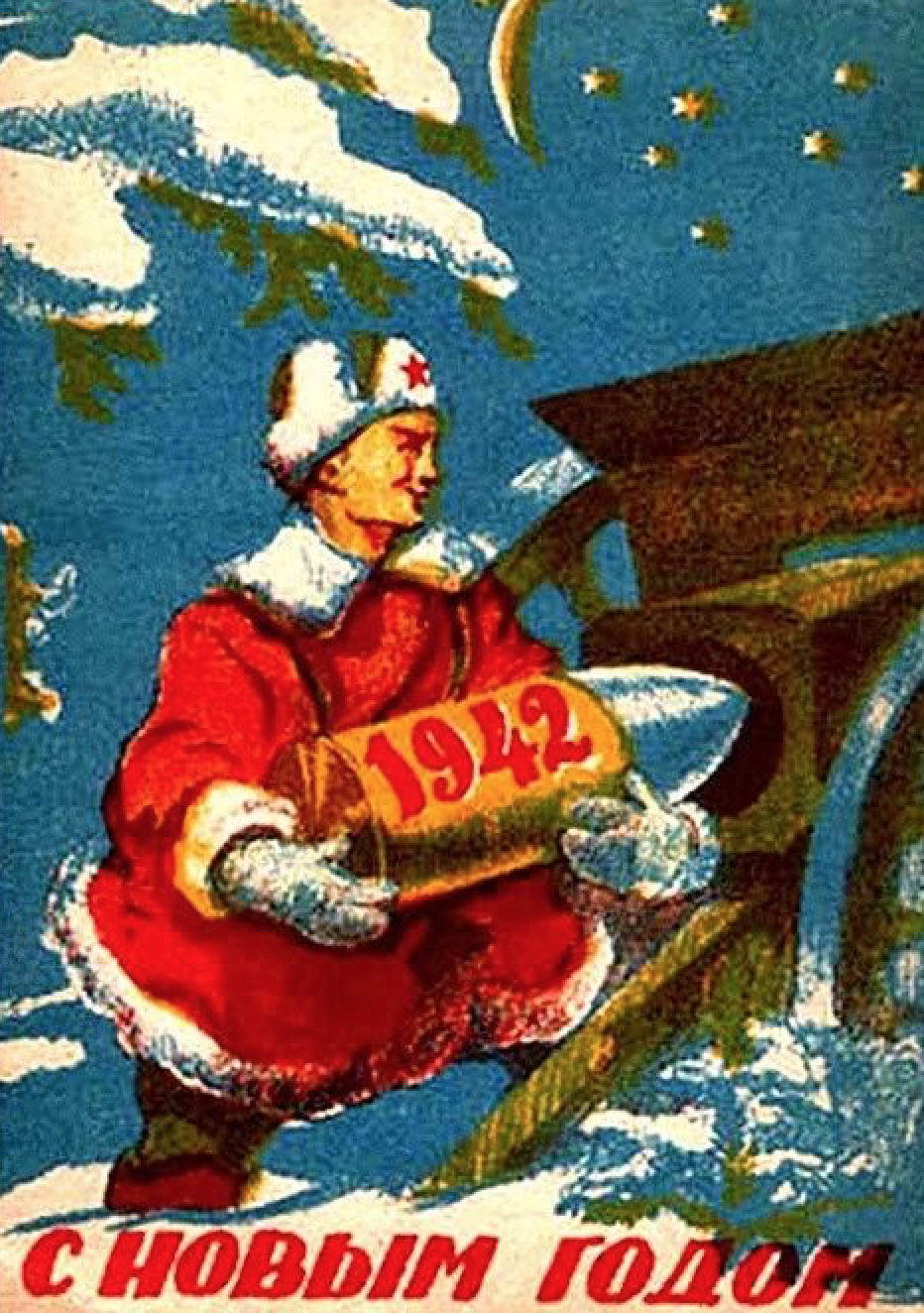
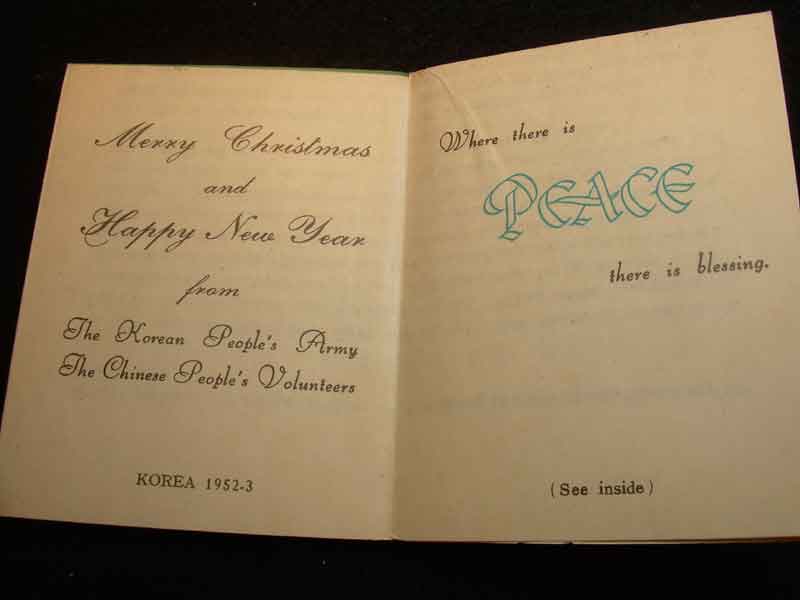
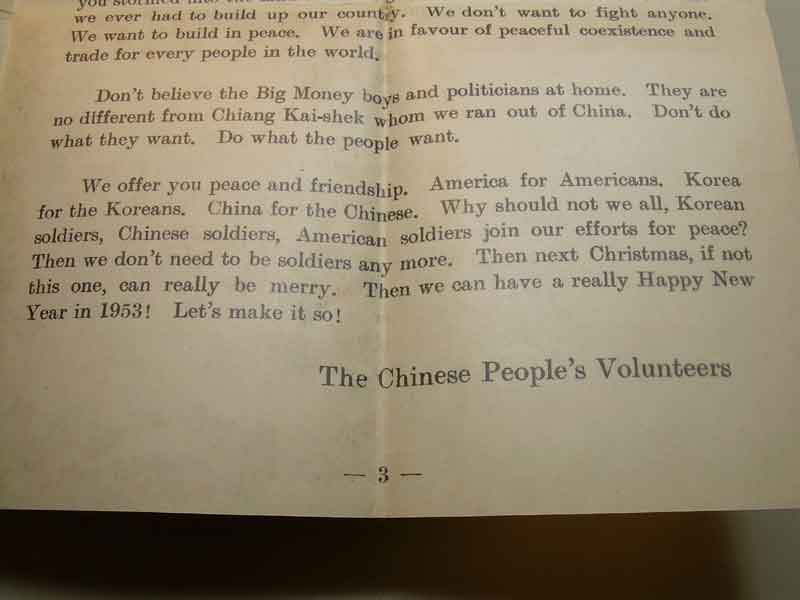
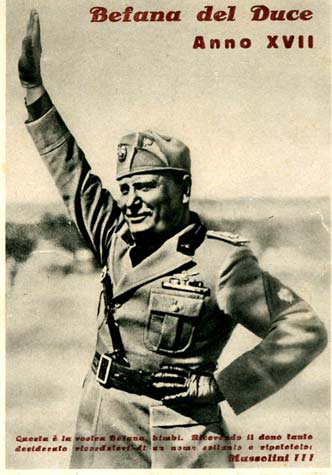
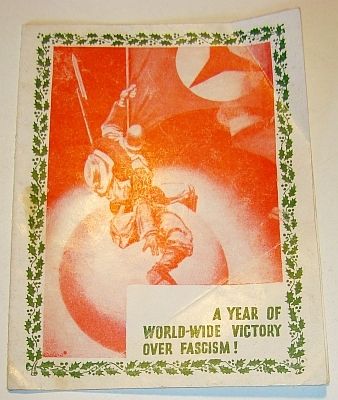
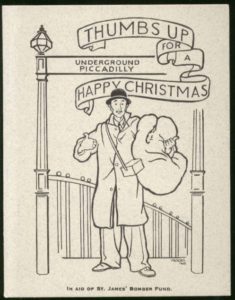
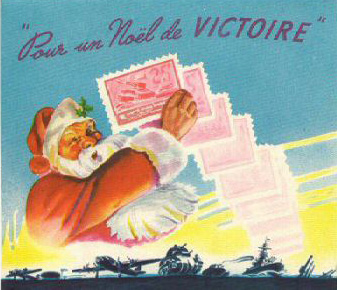
The French are not all that big on Christmas cards but during the Second World War, German military authorities provided French prisoners of war cards to send home. This one hints at an eventual happy family reunion.
Author: gerryadmin
Candlemas
February 2; since the sixth century the day of the Feast of the Purification of the Blessed Virgin Mary and now known as the Feast of the Presentation, marking the ritual in the Temple required by Jewish law law forty days after the birth of a male child.
When the infant Jesus was brought to the Temple, Simeon spoke of him as “a light to lighten the Gentiles” (Luke 2:32) and so light is the theme of the day. Believers bring a candle to the church to be blessed; these candles are thought to possess magical powers against sickness and thunder storms. Across many cultures it is the last day of the Christmas season when all ornaments must be taken down and greenery burnt. In England the Yule log for the next Christmas was selected and set to dry; in Mexico it is the Dia de Candelaria when the image of the baby Jesus is removed from the cradle. On Candlemas, Scottish school children used to bring money to their teacher to buy candles to light the school room, a practice that turned into simply bringing gifts to the master. The boy who brought the most money (the term for this gratuity was bleeze-money) was named Candlemas King whose reign lasted six weeks and who was allowed to remit punishments.
The custom of predicting the weather based on conditions on Candlemas has turned into Groundhog Day wherein North Americans watch the emergence of particular groundhogs from their hibernation — if they see their shadows on February 2, six more weeks of winter will follow. (Americans scrutinize the reaction of the Pennsylvania groundhog named Punxsutawney Phil while Canadians observe Ontario’s Wiarton Willie.) Candlemas was also believed to be a time when the soul of Judas was temporarily allowed out of Hell to ease his torment in the sea.
Angels at the Switchboard
The Christchild in the Trenches
Kris Kringle
Now just a synonym of Santa Claus, “Kris Kringle” shows an interesting history of linguistic change over time. The name originates from Christkindl, the German term for the Christ Child who was thought to bring gifts. From the seventeenth to the nineteenth century, from its European origins to North America where it was brought by immigrants, the name mutated to Krischkindel to Kriss Kindle, to Kriss Kinkle and, by 1842 in Philadelphia, to Kriss Kringle. In an 1855 article in Putnam’s Monthly. The narrator, Mr. Sparrowgrass implores his wife to mind her language:
“My dear,” said I after a pause, “speaking of children I wish you would not teach the young ones so many of your Philadelphia phrases….Mrs. Sparrowgrass, next Christmas Santa Claus, if you please – no, Kriss Kringle. Santa Claus is the patron saint, Mrs. Sparrowgrass, of the New Netherlands, and the ancient Dorp of Yonkers; he it is who fills the fireside stockings; he only can come down Westchester chimneys, and I would much prefer not to have the children’s minds and the flue occupied with his Pennsylvania prototype.”
We see in American children’s books such as Kriss Kringle’s Christmas Tree and department store advertisements that the name was being applied to a Santa Claus figure far from the original notion of the Christ Child. In the twentieth century the name was spelled both “Kris” and “Kriss” Kringle. The original Miracle on 34th Street (above), for example, uses the former and the 1994 remake uses the latter.
Female belsnicklers in German settlements in the Canadian province of Nova Scotia who disguised themselves as Wise Men were known as Kris Kringles.
A splendid and important book
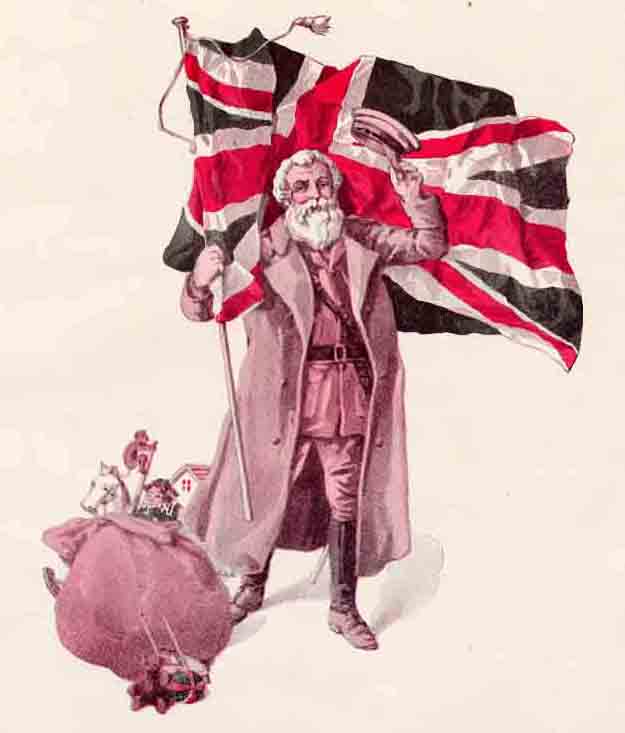
Father Christmas
The personification of Christmas in the British Isles is Father Christmas. Some have pointed to a pagan origin (a perceived resemblance to Saturn, Neptune and Odin) but the term only comes into use in the fifteenth century when a carol addresses him: “Hail, Father Christmas, hail to thee!” He appears again the sixteenth century when social critics began to bemoan the loss of traditional Christmas hospitality. Ben Jonson’s Christmas His Masque written in 1616 for James I opens with a parade of the sons and daughters of Father Christmas: Mis-Rule, Carol, Minc’d Pie, Gamboll, Post and Paire (a card game), New-Yeares-Gift, Mumming, Wassall, Roast Beef, Plum Pudding, Offering and Babie-Cake.
After his children have been led in by Cupid Father Christmas enters despite attempts to bar him and tries to establish his credentials as a native Englishman:
“Why, gentlemen, do you know what you do? Ha! would you have kept me out? CHRISTMAS! — Old Christmas– Christmas of London and Captain Christmas! Pray let me be brought before my Lord Chamberlain; I’ll not be answered else. ‘ ‘Tis merry in hall , when beards wag all.’ I have seen the time you have wished for me, for a merry Christmas, and now you have me, they would not let me in: I must come another time! A good jest — as if I could come more than once a year. Why I am no dangerous person, and so I told my friends of the guard. I am old Gregory Christmas still, and though I come out of the Pope’s Head-alley, as good a Protestant as any in my parish.”
In Jonson’s play Father Christmas is described as a man with a long, thin beard in a costume of round hose, long stockings, close doublet, high-crowned hat, with a brooch, a truncheon, little ruffs, white shoes, with his scarves and garters tied cross, and his drum beaten before him but later seventeenth-century illustrations picture a more sedately distinguished bearded man in a long robe with a round cap. By the late eighteenth century he has grown quite fat, has holly in his hair and is dressed in a fur-trimmed robe — the image that Dickens uses for the Ghost of Christmas Present.
Father Christmas was not associated with gift-bringing until the nineteenth century when, under competitive pressure from the North American Santa Claus, he evolved into a friend of children rather than of feasting, drink and merriment. His costume is similar to that of Santa Claus but where his American counterpart has a short, belted jacket he wears a longer, open robe with a pointed hood.
Sad but true
No man was ever wise by chance.
Seneca
King Cake
The “Kings’ Cake”, or galette des rois, was so called because it was traditionally served at Epiphany, the celebration of the Three Kings, the Magi who visited the baby Jesus. It is first mentioned in the early 1300s in France, from which it spread to Germany and then much of the rest of Europe.
In 1792 French revolutionaries tried to suppress the selling of “king cakes” as irreconcilable with the republican sentiment they wished to foster. In Bourdeaux they were called instead “cakes of liberty”. Epiphany was stripped of its religious connections and celebrated as part of “la fête des sans-culottes” (the festival of the revolutionary working class). In Paris 1794 on Christmas Eve (4 Nivôse III in the new republican calendar) the mayor ordered the arrest of pastry cooks for their “liberticidal tendencies”. Taverns named after the Three Kings, who had come to be regarded as the patron saints of inns, changed their names to avoid incurring the wrath of radicals.
It was sometimes the custom in France for the first two pieces of the cake to be set aside for the bon Dieu and the Virgin and for these pieces to be given to the poor who knocked on the door at Epiphany.
The custom crossed the Atlantic to New Orleans where the King Cake now contains a bean or plastic baby. He who finds the prize must host the next King Cake party, hundreds of which are held every Epiphany. One Mardi Gras organization even uses the King Cake tradition to choose the queen of its annual ball.
Christmas Traditions in Canada
For those unhappy few who missed my appearance on CBC Radio on Christmas Eve, here is a link to the audio:
http://www.cbc.ca/listen/shows/cross-country-checkup/episode/15314696