For the last couple of years Toronto writer Michael Coren has been claiming that there is no such thing as “the war on Christmas”. The phenomenon, he said in a nasty moment so uncharacteristic of the charitable tone for which he is renowned, is a “chimera built by conservatives so that they can claim persecution and argue that their rights are being curtailed.”
As a long-time admirer of Mr. Coren, I thought that he might appreciate a contrary view that pointed him to some real facts about the matter. I had, after all, just published Christmas in the Crosshairs: Two Thousand Years of Denouncing and Defending the World’s Most Celebrated Holiday, (Oxford University Press, 2016; a wonderful gift for a loved one at only $27 on Amazon) and I fancied myself a bit of an expert on the subject. So, I wrote Michael a very respectful letter that corrected the errors underlying his mistaken viewpoint and even offered to send him a free copy of my book.
Alas, I received no reply. Now I see that he is up to his old tricks again this year, denying the reality of the Christmas wars while complaining of “the self-prescribed right of Christians to dominate the public square and dictate the private conscience.” So, for Michael and all others who are wondering about that gingerbread-scented whiff of hostility in the air during the holiday season, what follows is the real scoop.
There has always been a war around Christmas. Even before Christians began to celebrate the feast, there was debate about whether it was proper to mark the nativity of Jesus. The early Church was more interested in the imminent return of Christ than in his humble origins and, besides, birthdays, were a bit of a pagan thing. When various dissidents began to insist that Jesus had never had a physical body and was always pure spirit, it suddenly became important to speak about those events at Bethlehem in the reign of Caesar Augustus and to bring up the angels, shepherds, manger and swaddling clothes. Once Christians decided to make a festival out of Christ’s birth, the next argument was when should it be. Various dates were suggested but the western churches chose December 25 while the great cities of the east opted for January 6; centuries passed before uniformity was achieved. Then the battle was to keep non-Christian elements out of the holiday or to sanctify them – so presents and greenery were acceptable but transvestism and dancing about in animal skins were not.
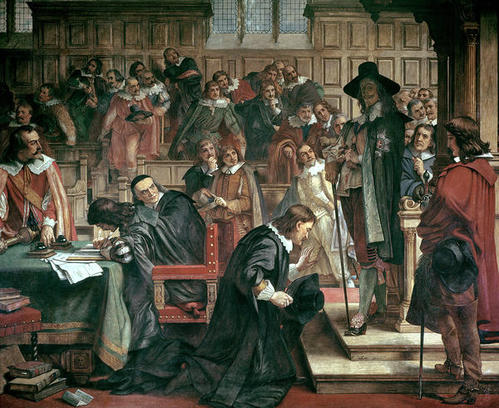
The Protestant Reformation of the 1500s saw Christmas eliminated in Calvinist territory (Scotland, some American colonies, parts of Switzerland and the Netherlands, and, for a while, England). It took more time, and some occasional violence, before Christmas was almost uniformly popular in churches again, just in time for the twentieth century and forces outside of the faith to join the attack on the holiday.
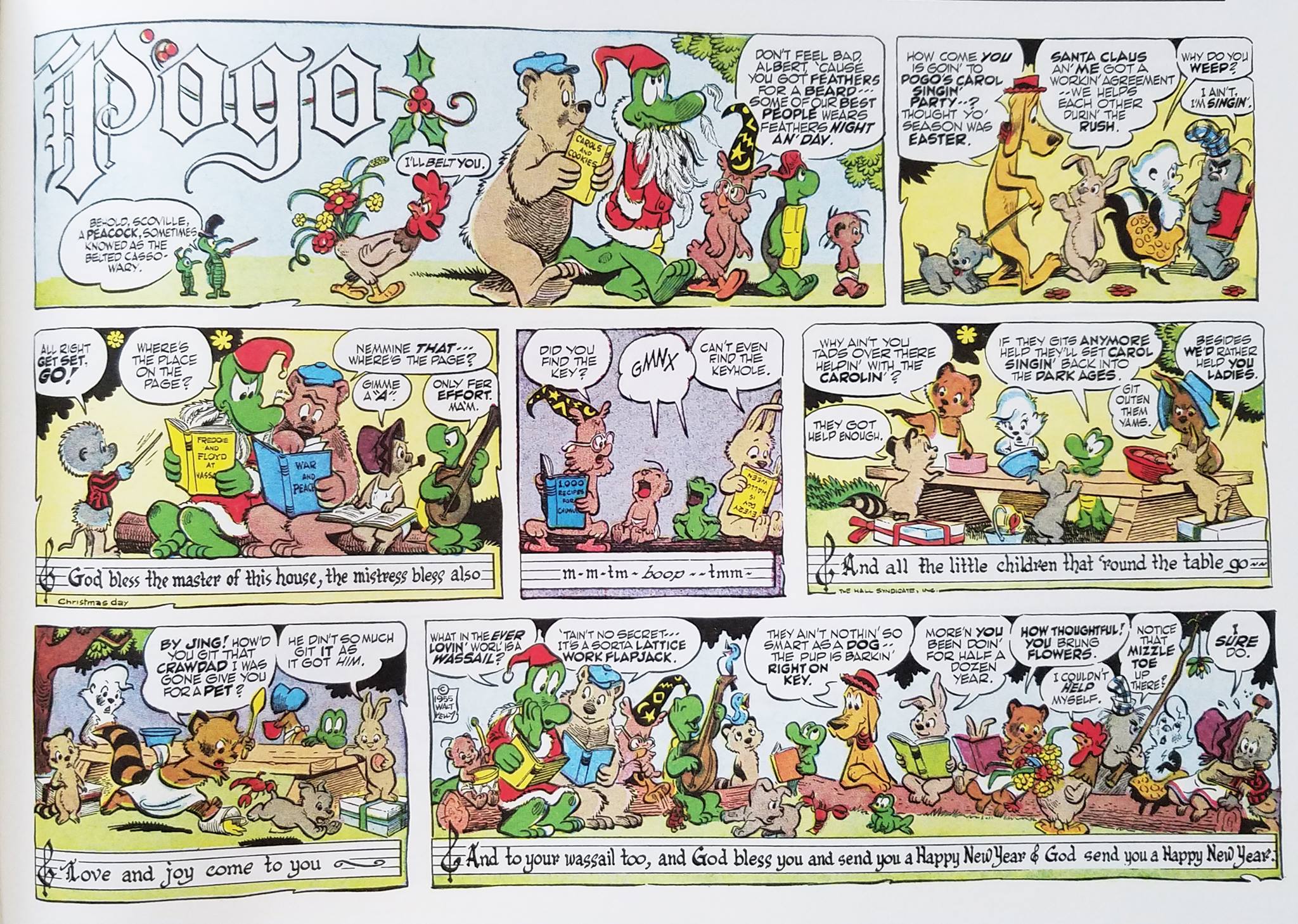
Countries which adopted Communism such as the Soviet Union and China opted for direct suppression of the festival. Nazi Germany tried to co-opt Christmas and make it into a pagan solstice event while revolutionary governments in Latin America waged war on the American Santa Claus and replaced him with an Aztec serpent-god or a multi-racial jungle dweller. Meanwhile conservative Christians such as the Catholic Archbishop of Liège burnt Santa in effigy and hard-line Protestants in the USA put the old bearded gent on trial and lynched him.
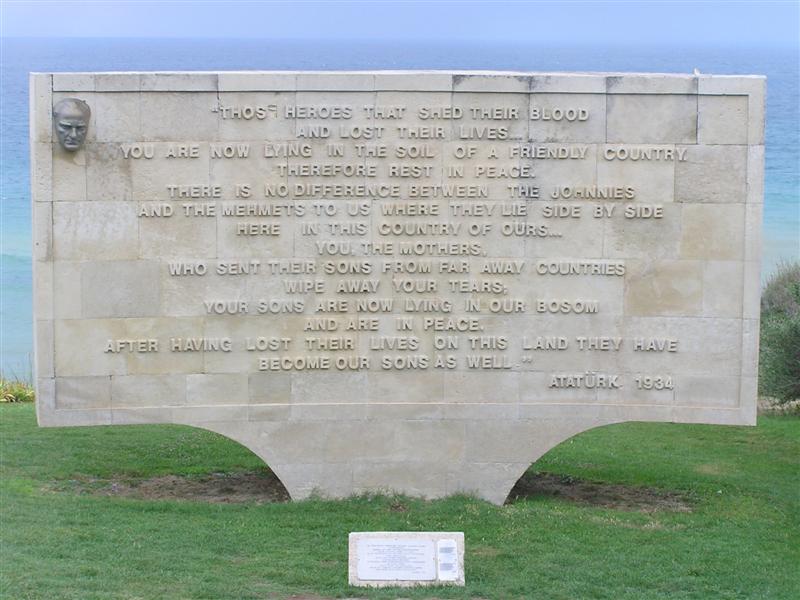
Today the Christmas wars continue on many fronts. In Turkey and India, local religious zealots of an anti-Christian bent attack the holiday as a foreign infidel intrusion. The Chinese government bans university students from having Christmas parties and Jewish rabbis in Jerusalem threaten to yank the kosher certification of hotels which erect Christmas trees. In Europe nationalist sentiment seeks to forbid the appearance of Santa Claus and replace him with the older gift-bringers whom he had, for a time, dislodged – St Nicholas, the Three Kings, angels or the Christ Child.
But the war that gets most notice in the news is the one that is waged by atheists, secularists and the diversity police to privatize Christmas – to drive it back into the home or the church and to create a religion-free public space. No Christmas concerts in schools, no Christmas trees in museums or courthouses, no nativity scenes on town hall lawns, no carols sung in veterans’ hospitals. A town banishes Santa Claus from the Santa Claus parade because he is somehow “too religious”; Chicago’s Christkindl (“Christ Child”) Market bans promotion of a movie about the Nativity because it would be “insensitive to the many people of different faiths who come to enjoy the market for its good and unique gifts.”; Christmas trees become the “Giving Tree”, the “Seasonal Conifer”, the “Tree of Lights”, or least imaginatively, the “Annual Tree”. In the name of multiculturalism a dreary winter monoculture is mandated.
But, say the critics of Christmas, no one really wishes to ban the holiday – just to move it out of sight. The atheist gadfly Christopher Hitchens noted that “there are millions of well-appointed buildings all across the United States, most of them tax-exempt and some of them receiving state subventions, where anyone can go at any time and celebrate miraculous births and pregnant virgins all day and all night if they so desire. These places are known as ‘churches,’ and they can also force passersby to look at the displays and billboards they erect and to give ear to the bells that they ring. In addition, they can count on numberless radio and TV stations to beam their stuff all through the ether. If this is not sufficient, then god damn them. God damn them everyone.”
This is the heart of the matter: the desire to make no space in public for religion. This is a tragic misunderstanding of the binding roles that religions plays in the larger life of the community and fosters an atomistic view of society where social life is conducted only within one’s own group. It leads to identity politics and perpetual claims of victimization. Everyone is poorer if Handel’s Messiah or Mozart’s Requiem or “Silent Night” are considered threats to schoolchildren; if St Patrick’s Day parades or Diwali celebrations or Carnival are kept off the public thoroughfares. Religion is already out on the streets, not just in spectacle and music but in the hospitals, homeless shelters, soup kitchens, sports leagues, after-school programs, homes for the elderly, etc., etc., in which various faiths mandate their followers serve their communities.
In claiming that the war on Christmas is a right-wing plot to assert cultural dominance, Michael Coren has shown himself as, not the truth-seeker which he believes himself to be, but someone who has abandoned the virtues of tolerance and diminished the quantum of goodwill, love, and magic in his country.